
Older Torsion Systems
Many older doors use spring configurations that need to be matched to the actual panel weight and installed hardware, not a generic replacement spring.
Local garage door service · Chicopee, MA
Garage door repair and installation for Chicopee homes built mostly between 1938 and 1989, covering maintenance, opener installation, panel replacement, spring repair, and the residential garage door systems common across the area's 1960s- and 70s-heavy housing stock.
Garage door services
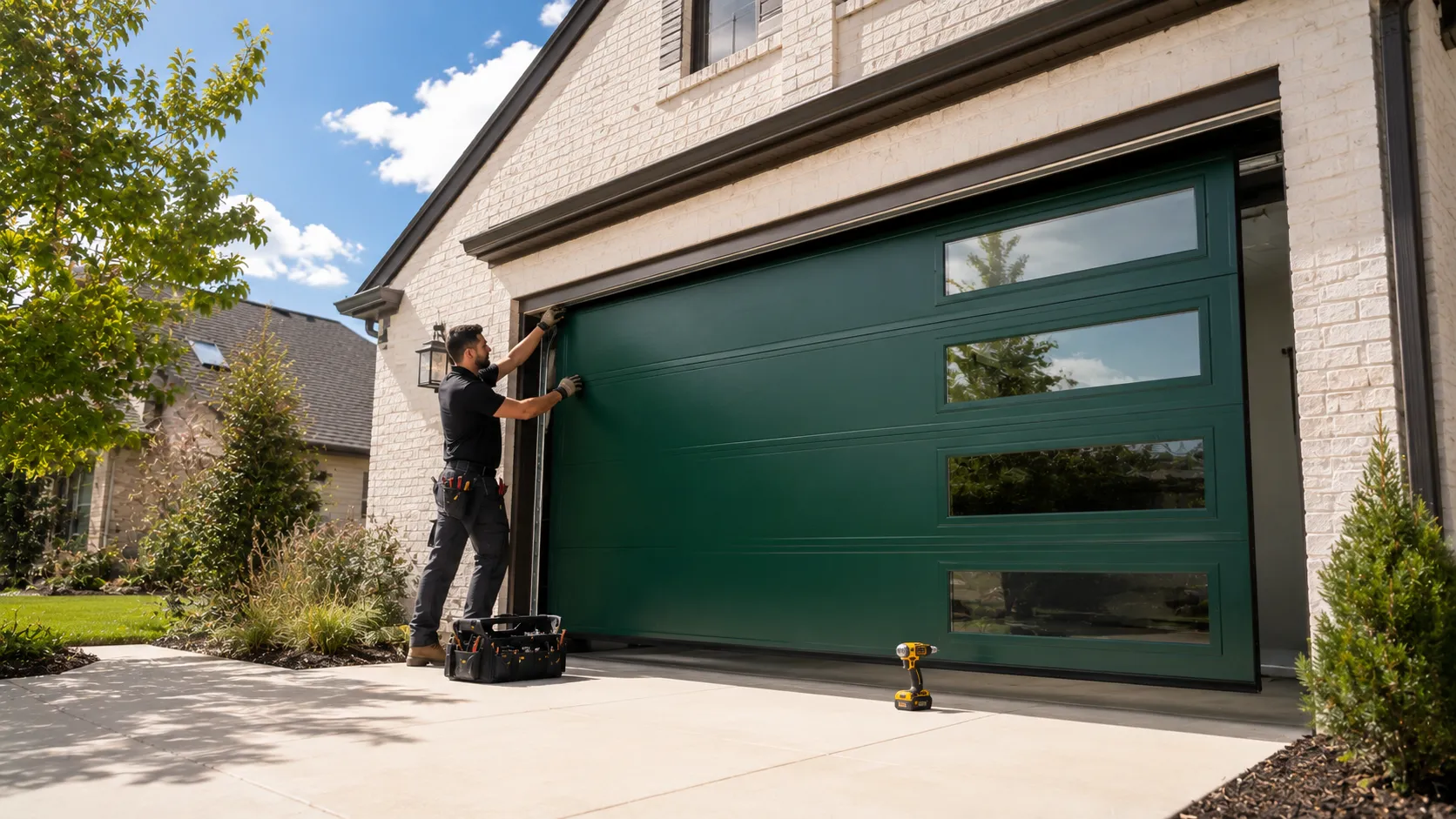
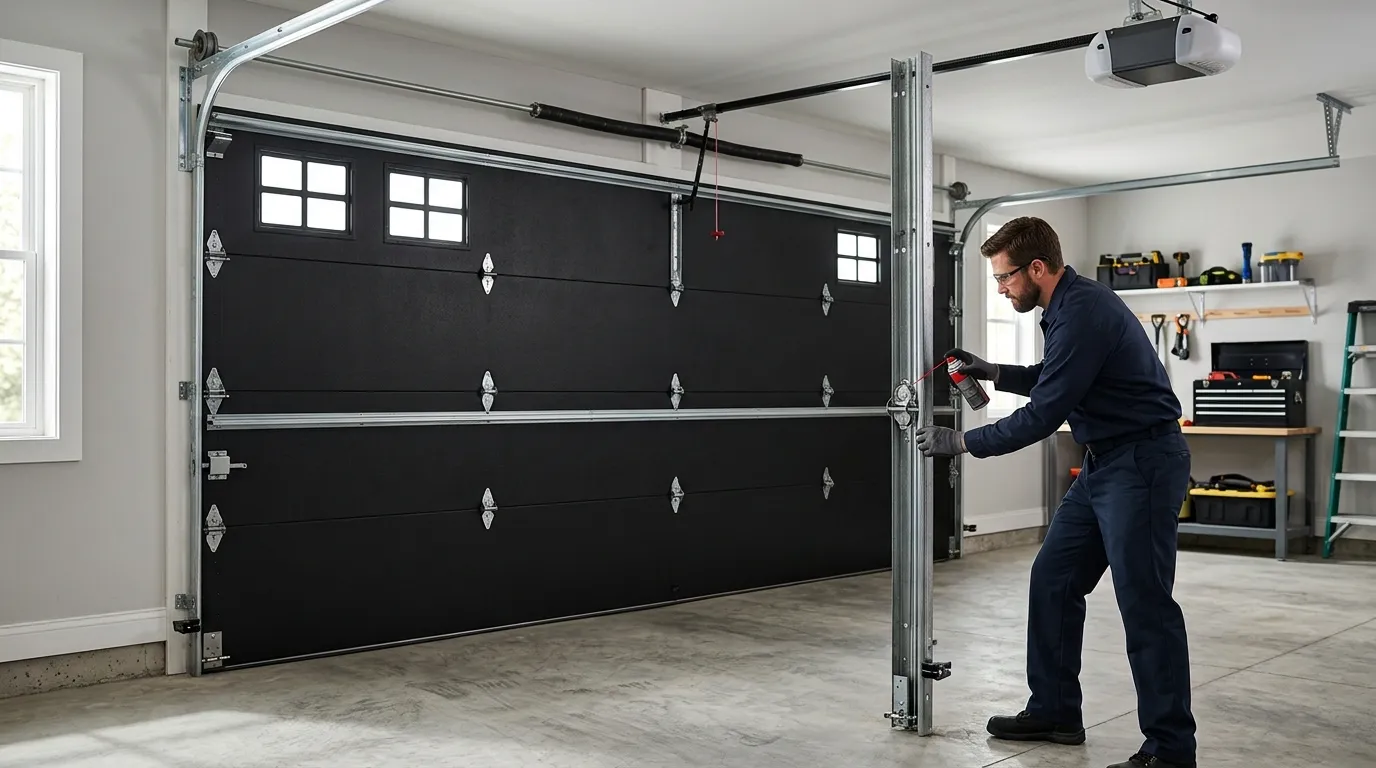
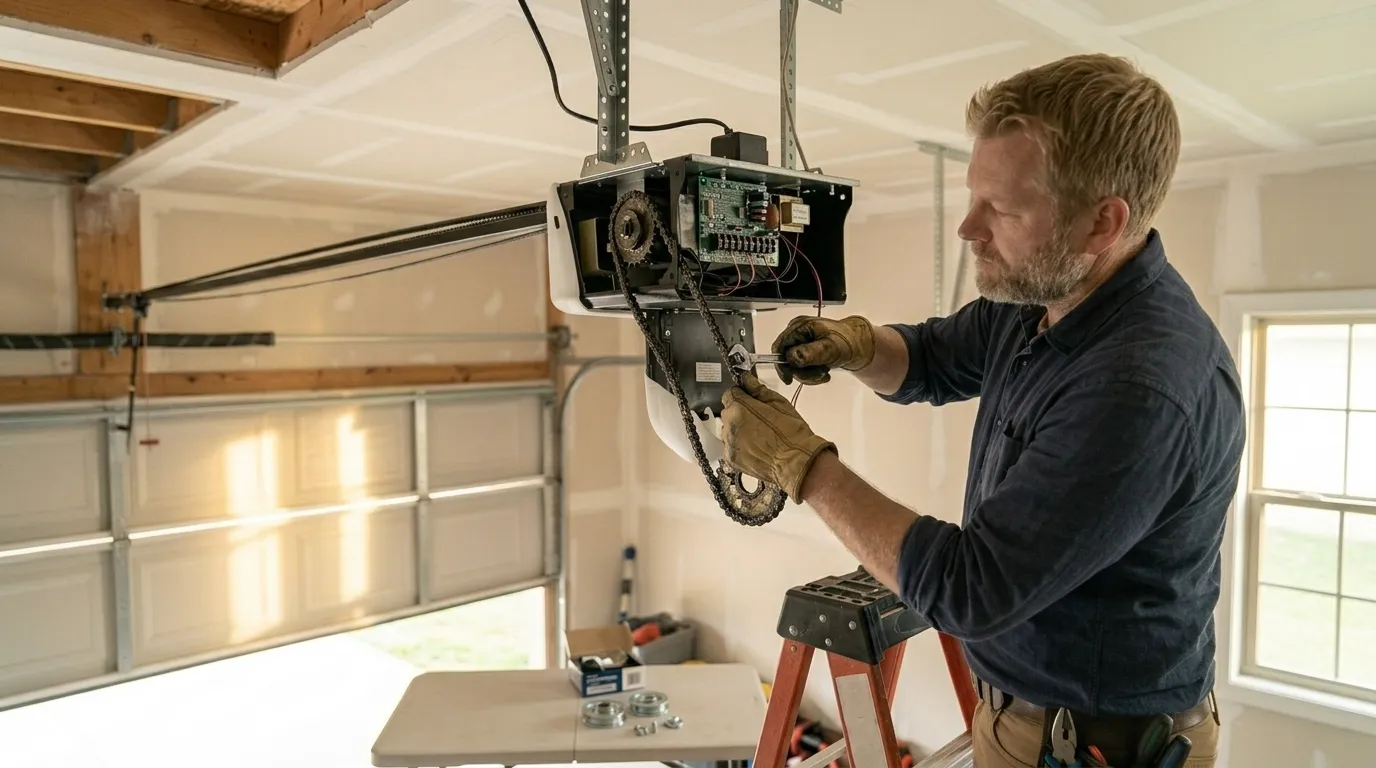
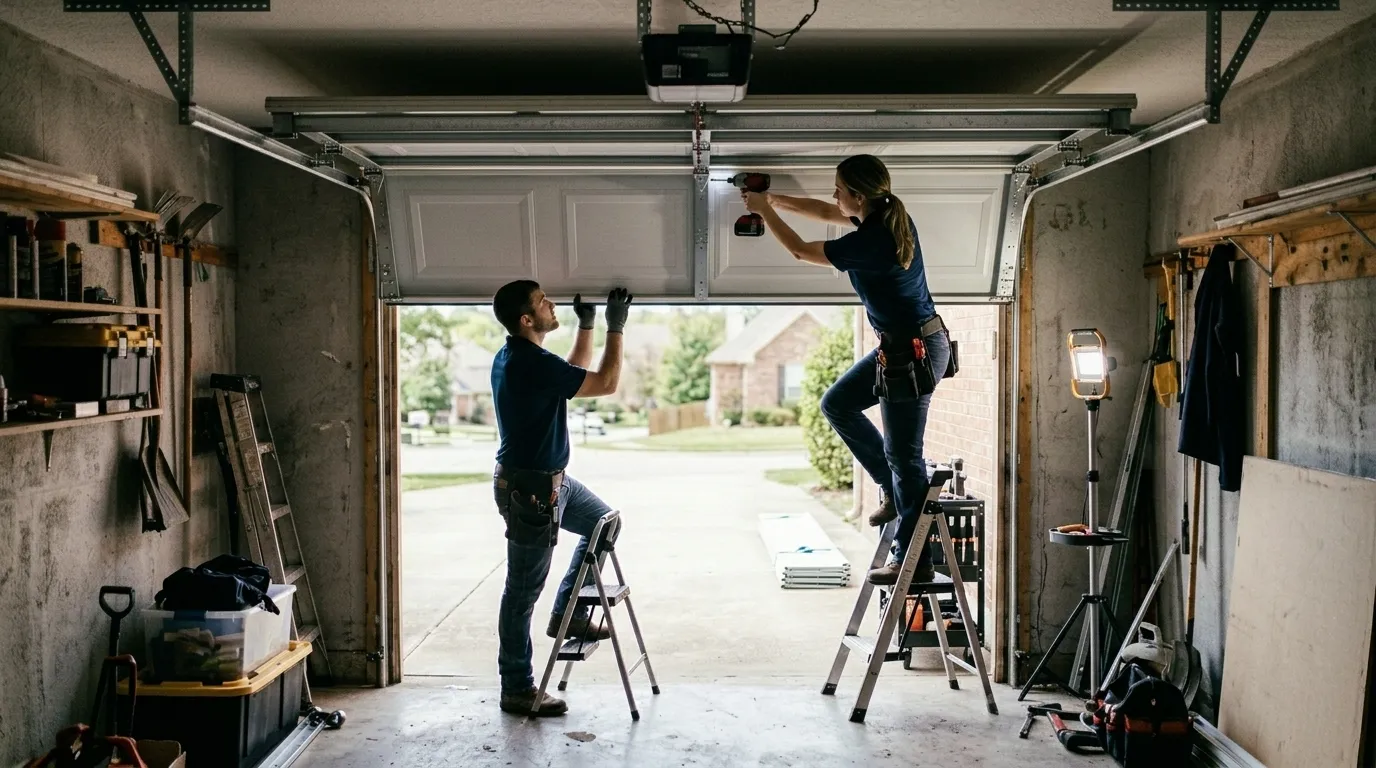
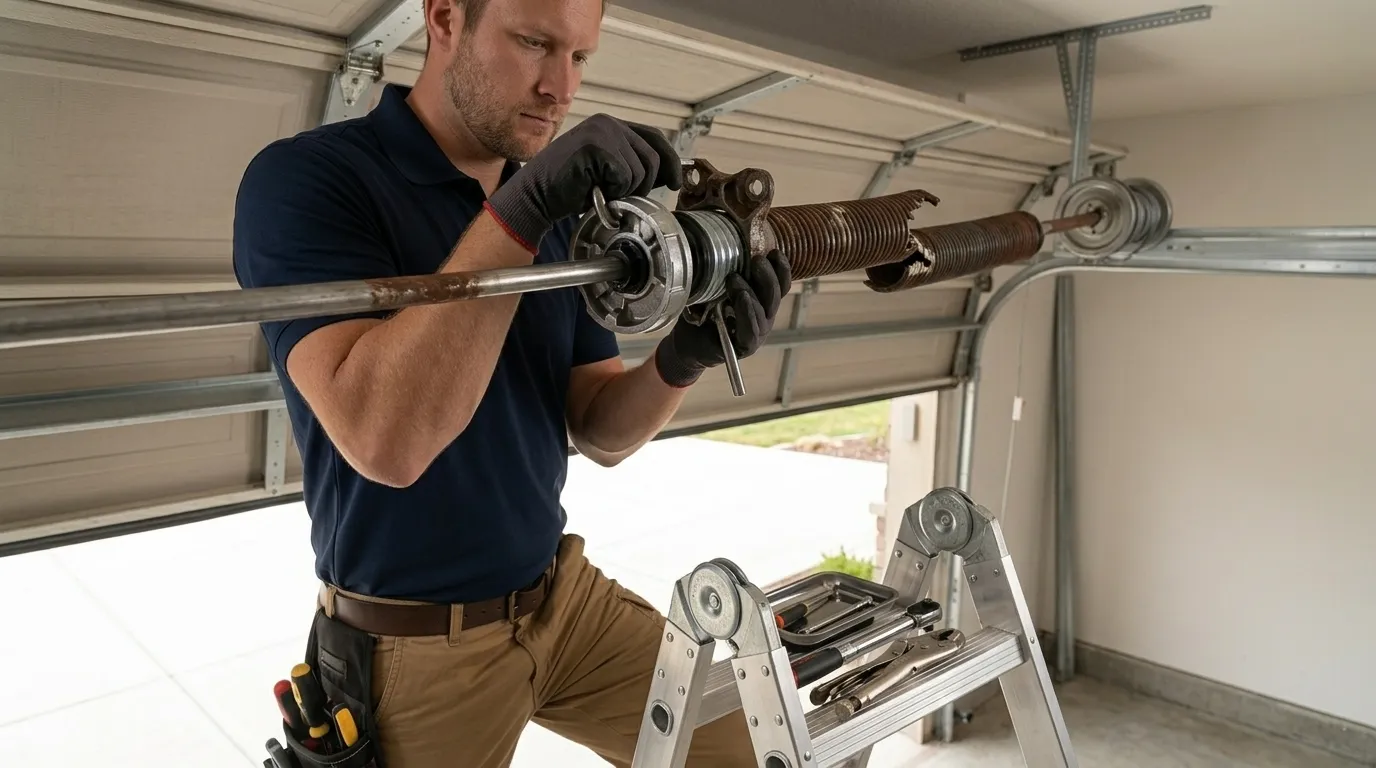
From complete installation and general repair to maintenance, opener installation, panel replacement, and spring work, the service lineup is built around the residential garage door systems common across Chicopee's older housing stock.
Chicopee + surrounding communities
Holyoke sits about 4 miles from Chicopee, South Hadley and Ludlow around 6 miles, Southampton about 9 miles, and Westfield about 10 miles, with Northampton and Southwick farther out within the broader working range.
The configured service areas for this site are Holyoke, Ludlow, Northampton, South Hadley, Southampton, Southwick, and Westfield — the seven suburb markets covered around Chicopee.
Local housing matters
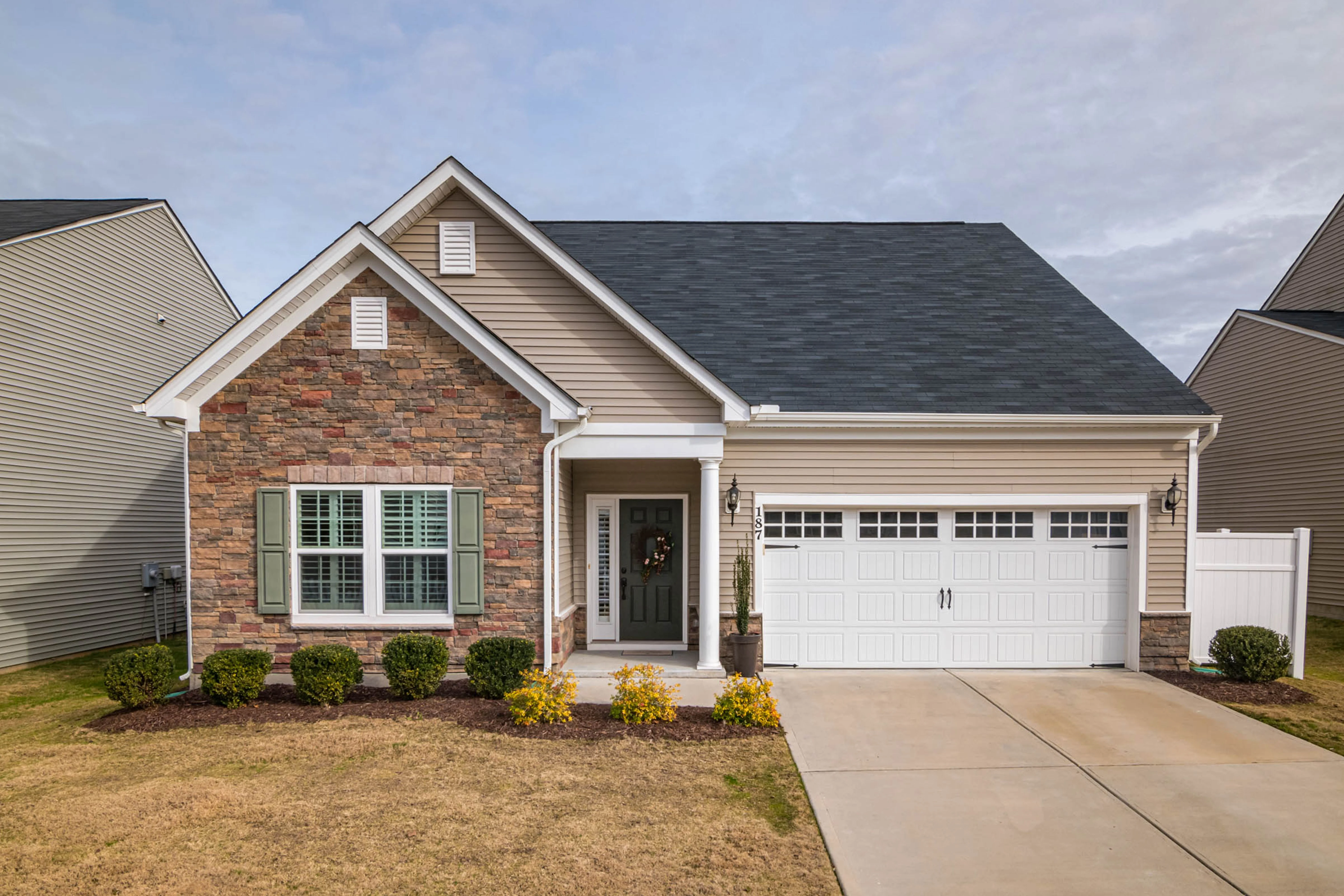
Most of the housing here was built between 1938 and 1989, with a median build year around 1965 and much of the stock concentrated in the 1960s and 70s.
That creates a mix of older steel or fiberglass doors, torsion spring systems, retrofit openers, replacement panels, and hardware from several decades.
Many older doors use spring, drum, bracket, and track dimensions that can differ by manufacturer and installation era.
Newer replacement doors are more likely to use lighter insulated steel sections, which can change spring sizing and opener requirements compared with the original door.
The house's build era gives useful context, but the correct repair still depends on the hardware actually installed today.
Older Chicopee garage door systems
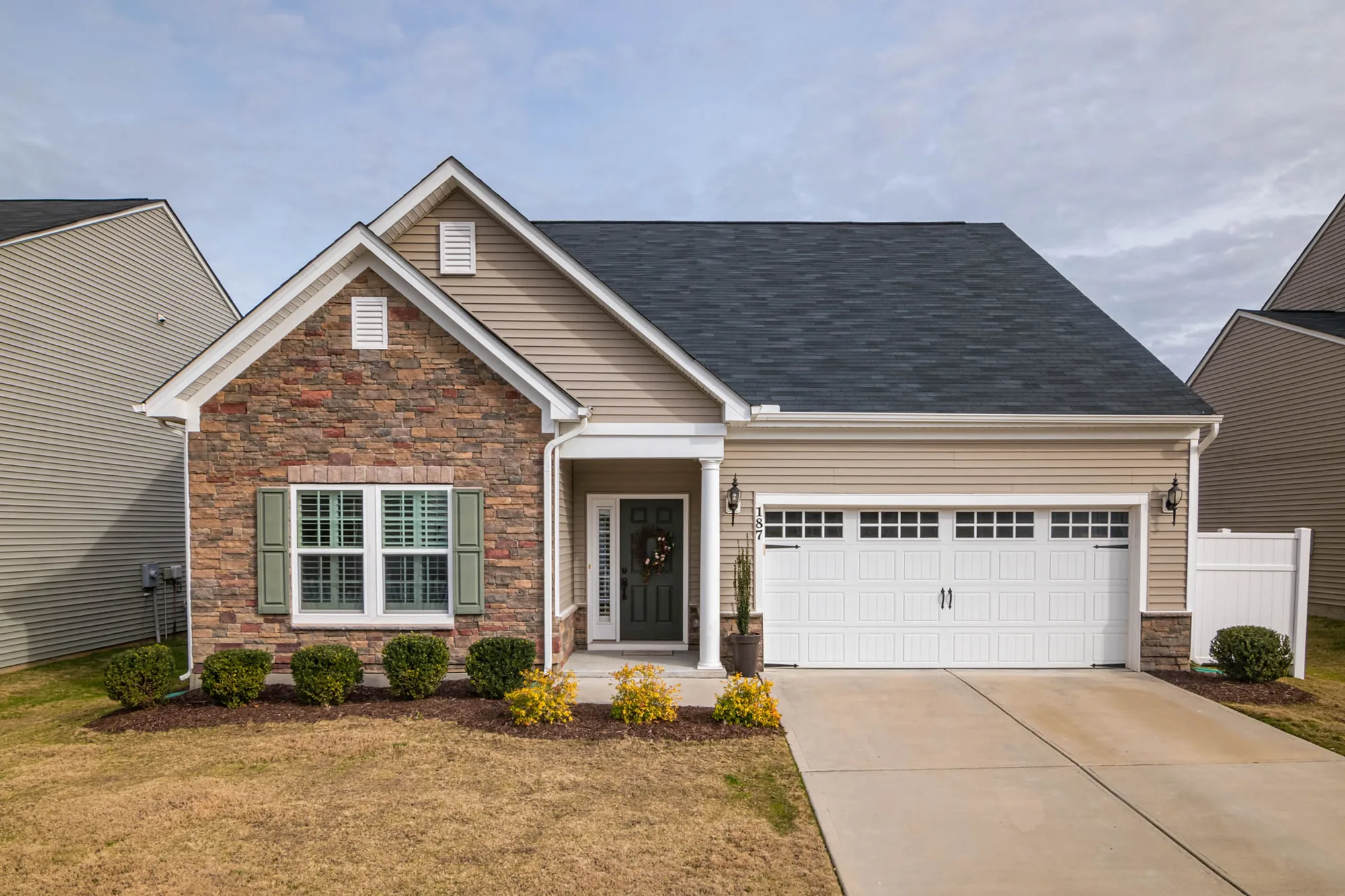
Homes concentrated around the 1960s and 70s can combine older torsion systems, retrofit openers, replacement panels, legacy tracks, and several generations of repair hardware.
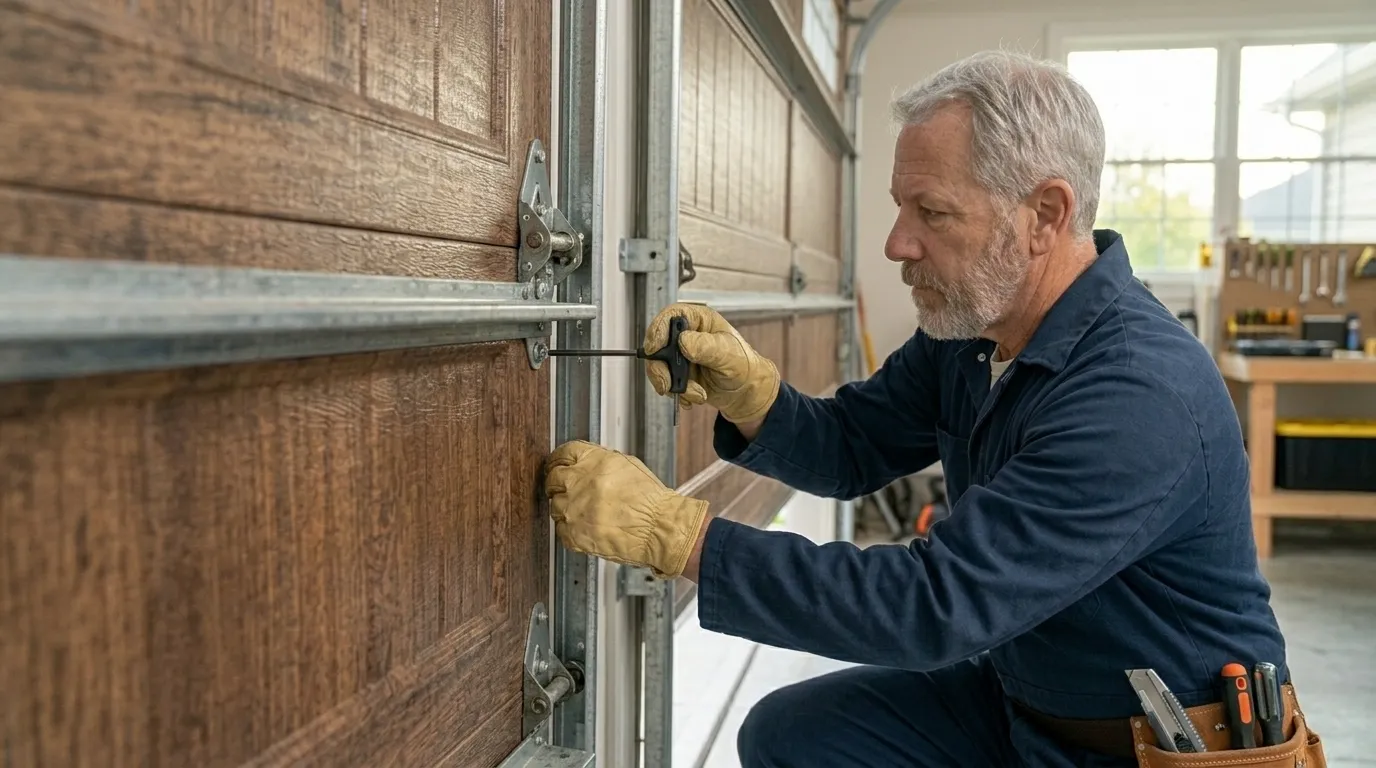
Many older doors use spring configurations that need to be matched to the actual panel weight and installed hardware, not a generic replacement spring.
Track brackets, drum sizes, and mounting hardware can differ from parts used on newer residential doors, so the door gets measured before parts are ordered.
Some older homes use openers added years after the original garage door and track system was installed, which can leave a mismatch of hardware generations.
Replacement sections can change the weight and balance of an older door if the new panel differs from the original construction, which affects spring sizing.
What to expect
We start with what the door is actually doing, use the symptoms to point toward the likely cause, then check the whole system — spring tension, cables, rollers, track alignment, and opener force — before explaining the repair.
Tell us whether the door won't open, moves crooked, made a loud bang, reverses, or the opener runs without moving the door. That symptom is the starting point.
Different symptoms can point toward spring, cable, roller, track, opener, or balance problems before the on-site inspection, so we arrive prepared.
We check spring tension, cables, rollers, track alignment, and opener force settings rather than focusing only on the first visible symptom, since these interact on an older door.
The failed component, repair scope, and price are explained before work begins, so you decide with the full picture in front of you.
Some Specialty Work Is Outside the Stated Scope
Glass panel fabrication and custom architectural garage doors are outside the service focus, which keeps the work centered on the residential door systems common here.
Common Chicopee garage door problems
Broken torsion springs, cable problems, worn rollers, track issues, aging openers, and damaged panels make up much of the work across Chicopee's older housing stock. Broken torsion springs are the most common call — and on older doors, spring sizing can differ from newer systems because the original panels may be heavier or use different hardware — while opener failures range from dead logic boards to worn gears and sprockets depending on the unit's age.
Springs eventually reach the end of their useful cycle life and need to be matched correctly to the installed door, since the original panels may be heavier than a standard system.
Cables can slip, fray, or wear as the spring and lifting system age, often when a door is operating slightly out of square.
Roller wear and alignment problems can make an older door noisy, uneven, or difficult to move, especially after decades of accumulated wear.
Older opener units can develop logic-board, gear, sprocket, motor, control, or drive-system problems depending on the age of the unit.
Damaged panels can sometimes be replaced individually when a compatible section is available and the rest of the door remains sound, though it can affect balance.
Cold-weather garage door wear
Cold winter conditions can make existing lubrication, spring, roller, track, and opener problems far more noticeable as the door works against the cold.
Cold-weather operation can expose weakness in a spring that is already nearing the end of its useful cycle life, which is why a marginal spring often lets go in winter.
Older grease and lubricant can move less freely in cold conditions and increase resistance through moving parts, leaving the door slow and loud until it warms.
Existing roller wear or track alignment problems can become easier to notice when the system is operating with additional winter resistance.
An opener may work harder when the door itself is already binding because of spring, roller, track, or lubrication problems, which shows up first in the cold.
Repair or replace?
A broken spring, cable, roller, opener, or damaged panel does not automatically mean the entire garage door needs replacement. The decision changes when repair cost approaches the practical value of replacing an aging system.
A spring replacement can make sense when the panels, tracks, cables, rollers, and opener remain serviceable. One worn spring is no reason to replace a sound door.
Mechanical or electronic opener problems can sometimes be repaired without replacing the complete unit, depending on parts availability.
A damaged section can be a targeted repair when a compatible panel is available and the rest of the door remains sound.
When several major components are failing and the repair total approaches replacement cost, a new door can become the more practical option.
Clear repair guidance
There isn't a flat price list, because spring replacement, opener work, panel replacement, and other repairs depend on the specific hardware installed.
On older doors, spring wire gauge, drum size, track width, panel weight, and manufacturer-specific components can vary substantially.
The approach is to use a part matched to the actual door rather than a generic component selected only because it physically fits.
We give the price before work begins.
If the likely repair cost is approaching the practical cost of replacement, that comparison is discussed instead of continuing to stack repairs onto an aging door.
Built around Chicopee garage doors
The correct repair depends on the springs, cables, rollers, tracks, opener, panels, drums, brackets, and previous changes actually installed on the door today — not a generic national parts list.
Older track brackets, spring systems, drums, and replacement parts can differ substantially from newer residential hardware, so the era gets identified first.
A spring should be selected around the actual installed door rather than assuming the original setup is still correct, especially where a panel has been swapped.
Spring, cable, roller, track, panel, and opener problems can affect one another on an older garage door, so the whole system is checked together.
If a targeted repair restores a structurally sound door reliably, complete replacement isn't the automatic recommendation.
Service areas
Questions
Usually it's the wrong spring for the door's weight, which happens a lot on older houses in this area where a panel got swapped at some point but the spring wasn't resized to match. A torsion spring rated for the original panel will wear out fast under a heavier replacement door.
Yes. In a cold-winter area like this, grease and lubricant thicken, metal contracts slightly, and openers that were fine in fall start straining or stalling in January. It's the most common reason we see a jump in calls for doors that won't fully close once real cold sets in.
Yes. For this site, the configured surrounding service areas are Holyoke, Ludlow, Northampton, South Hadley, Southampton, Southwick, and Westfield.
Sometimes. If the repair cost is getting close to what a new door would run, especially on a door that's original to a 1960s or 70s build, we'll tell you that instead of patching it again. We'd rather you make that call with real numbers than guess.
Ready when you are
Tell us what the door is doing and we'll help you figure out whether you're dealing with a spring, roller, track, opener, panel, maintenance issue, aging hardware, or a system that's reached the point where replacement makes more sense.