Westfield, Chicopee

Garage Door Service for Westfield, MA Homes

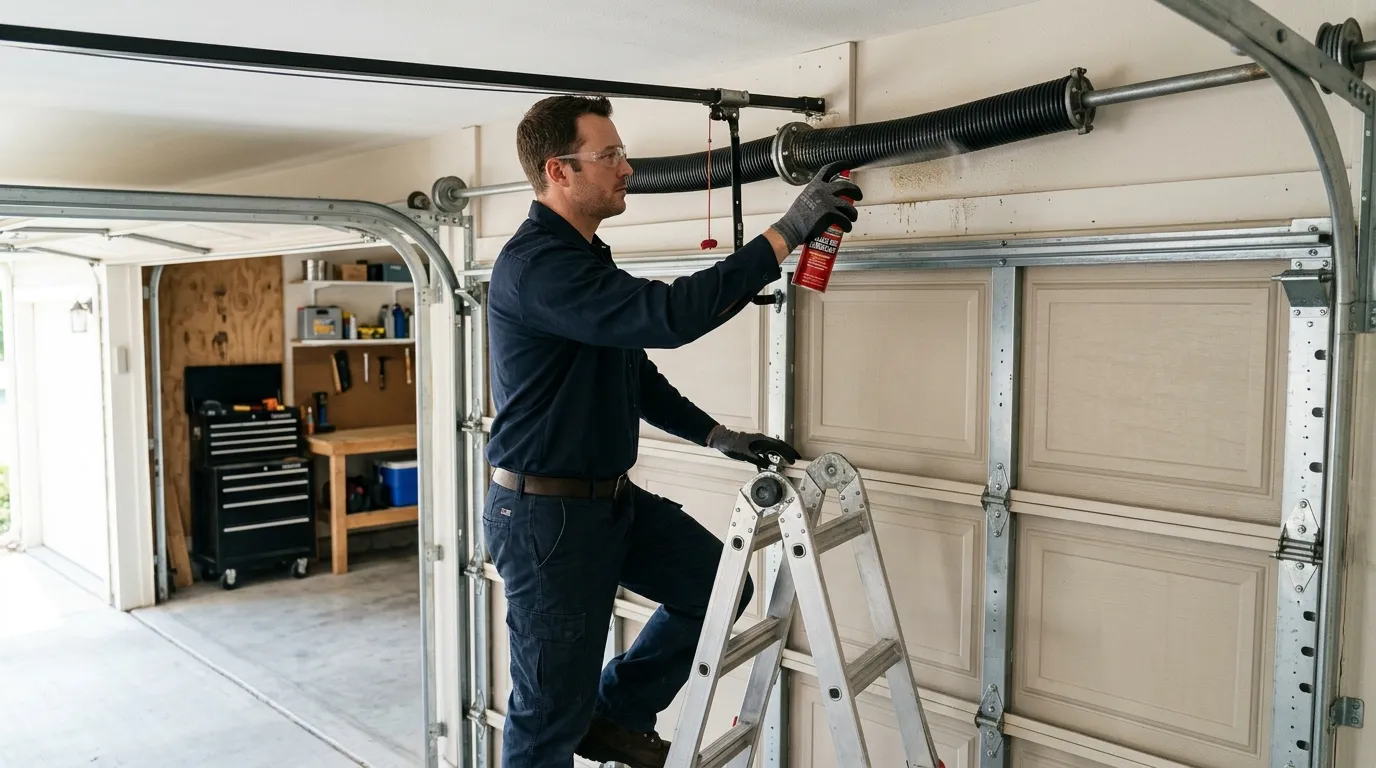
Westfield homes built around 1965 still run original torsion hardware built for a warmer spec. We drive out from Chicopee, 10 miles, to fix what that hardware does now.

Garage Door Service for Westfield, MA Homes in Chicopee
Same-day service in most cases
Serving Chicopee, MABackground-checked techsHonest, upfront pricingFast local response

Local causes

Why It Happens Here

Most houses on Westfield's older streets went up right around 1965, which puts this town squarely in the same build wave as the rest of the service area - but the number that matters is how much of the original hardware never got swapped out. A door installed in 1965 has had roughly sixty winters to work on its spring, its track, and whatever bearing plate the builder used at the time. A lot of that hardware is still hanging there. Nobody replaces a spring until it breaks, and nobody replaces a track until a roller jumps it, so the parts installed the year the house was framed are frequently the parts still doing the job today. That matters more in a cold-climate town like this one: repeated freeze-thaw cycles work bearing points and lubrication harder than a moderate climate would, and hardware sized for 1965 usage doesn't always hold up to sixty winters of it. We come out from Chicopee, about 10 miles away, and what we find on these calls is rarely a random failure - it's metal fatigue that's been building since the Johnson administration.

Why It Happens Here

Watch-outs

What Can Go Wrong

The failure we see most in this age of house is a torsion spring that's simply outlived its wind count, snapping on a cold morning when the steel is least forgiving.

Track bending and cable damage

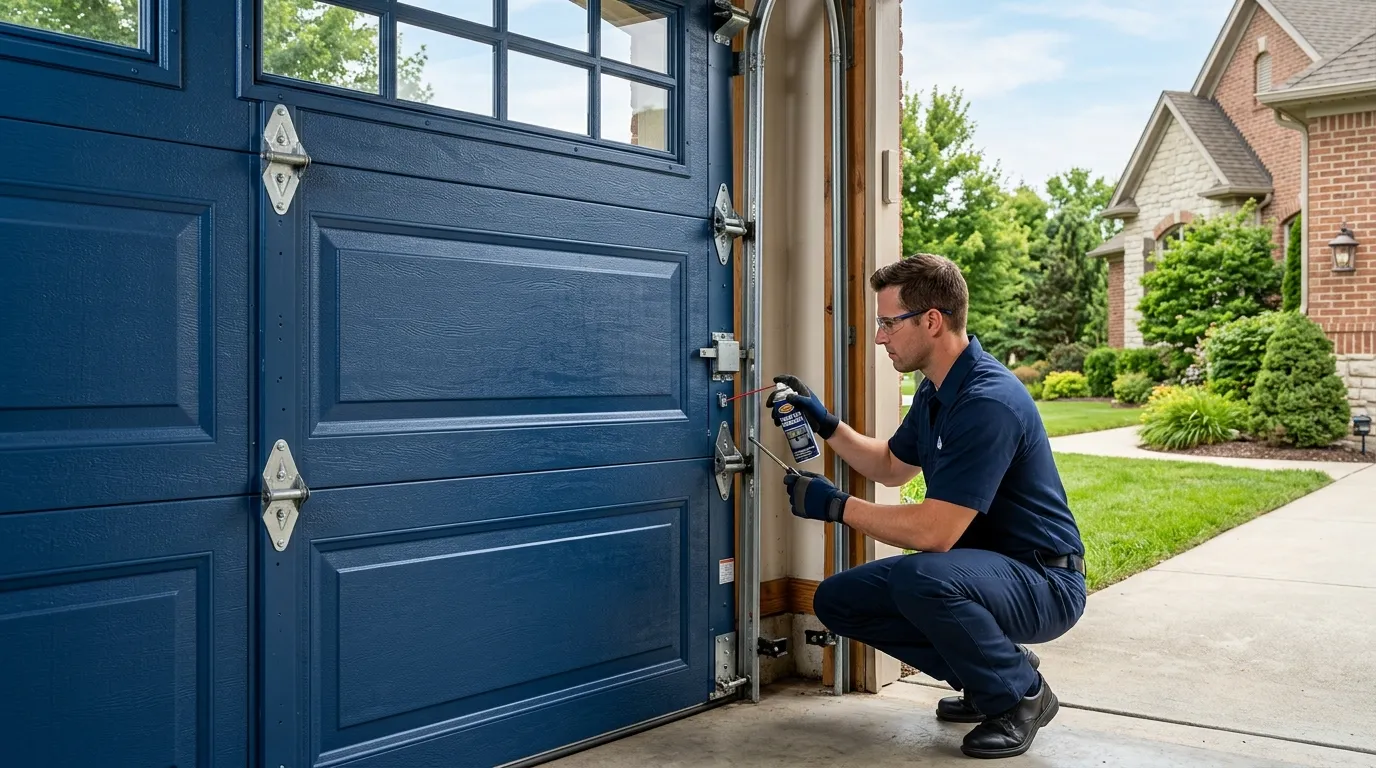
Right behind that is the track - older sectional doors here often ride on lighter-gauge track than what gets installed now, and it bends the first time a roller binds instead of flexing back. Cables fray at the drum end where they've spooled the same few inches for decades.

Cold weather force setting effects

Openers are a separate problem: a chain-drive unit from an earlier remodel doesn't fail because the town is cold, but a poorly adjusted travel limit combined with a stiff, cold-shrunk spring will absolutely put more load on a motor than it was built to handle.

Bottom panel corrosion patterns

We also see panels - steel doors from this era dent and rust at the bottom section faster than the rest of the door, because that's the section that sits closest to snowmelt and road salt through a long winter.

How It Shows Up

Warning signs

How It Shows Up

Usually it starts small. The door hesitates a half-second before it moves, or it needs a shove partway up before the opener catches. Some owners hear a flat clunk from the spring side right before the door won't lift at all - that's the spring going, not the opener. Others notice the door closes unevenly, one corner dropping faster than the other, which usually means a cable has started to fray rather than snap clean. On the coldest mornings you might get a door that opens fine but closes with a grinding sound partway down, which is often a track that's slightly out of parallel finally binding once the metal contracts. None of these are emergencies the first time you notice them. They are worth a call before the part that's straining actually lets go, usually with the door halfway up and nobody near it to catch it.

Booking

How to Book

We come out to Westfield from our base in Chicopee, about 10 miles up the road, so scheduling works around that drive rather than a local dispatch.

Sound-based failure description

Call and describe what the door is doing - the clunk, the drag, the uneven drop - and we'll bring the parts that match what a mid-1960s door in this climate typically needs, rather than guessing on-site and making a second trip.

Neighborhood age specification

If your street is one of the older sections of town, mention that; it helps us bring the right spring wind and drum size the first time.

Doing It Yourself

DIY or pro

Doing It Yourself

There's real limits to what you should touch yourself here, and we'll say that plainly. A torsion spring is under enough stored energy to break a wrist or worse, and we don't recommend anyone without the right bars and clamps attempt a spring swap, full stop. What you can do yourself: keep the track clean of grit and old grease buildup, check that the bottom weatherseal isn't cracked and letting cold air push moisture onto the bottom panel, and listen for that flat clunk before it becomes a dead spring on a Tuesday morning. If your door is original to a 1965 build and you've never had the hardware inspected, that's worth a call before it's worth a repair.

Questions

Common questions

Is a door original to a 1965 Westfield build worth repairing or replacing?

Depends what's failed. A worn spring or cable on an otherwise solid door is a straightforward repair. If the track is bent, the panels are rusted through at the bottom, or the opener is original too, replacement usually costs less over time than repeated part swaps on hardware pushing sixty years old.

How far out is Westfield from your shop?

About 10 miles from our base in Chicopee. We schedule Westfield calls around that drive, so it helps to describe what the door is doing when you call so we bring the right parts on the first trip.

Why does my garage door act up more in winter?

Cold steel is stiffer and less forgiving than warm steel. A spring or cable that's been fraying quietly all year is far more likely to actually let go on a cold morning, especially in hardware original to a house built in the 1960s.

Ready when you are

Need a garage door sorted in Chicopee?

Chicopee Garage Door Pros repairs and installs garage doors, springs and openers in Chicopee, MA and the surrounding area.

CallGet a quote