
Whately, Chicopee MA
Garage Door Service for Whately Homes
Serving Whately's 1970s-built homes from Chicopee, 18 miles out. We know the extension-spring setups common on this stock and the cold-weather faults that come with them.

Local detail
The Drive Over
Whately sits about 18 miles from our shop in Chicopee, which puts it toward the far edge of what we cover. We don't have a crew stationed here, and we're not going to pretend otherwise - every job in Whately means a truck coming up from Chicopee, so scheduling works best when you can tell us what's wrong on the phone before we load parts. That drive is also why we ask for the door's approximate age and whether it's a one-piece or sectional door when you call.
Guessing wrong means a second trip, and at 18 miles that's not a quick turnaround. Whately is a small town - around 659 households by the county count - so we're not running back and forth across it all day the way we might in a denser part of the service area. That means fewer trucks in the area on any given week, which is worth knowing if you're hoping for a same-day fix.
We still take the calls. We just don't want to oversell how close we are.
The area
The Houses Here
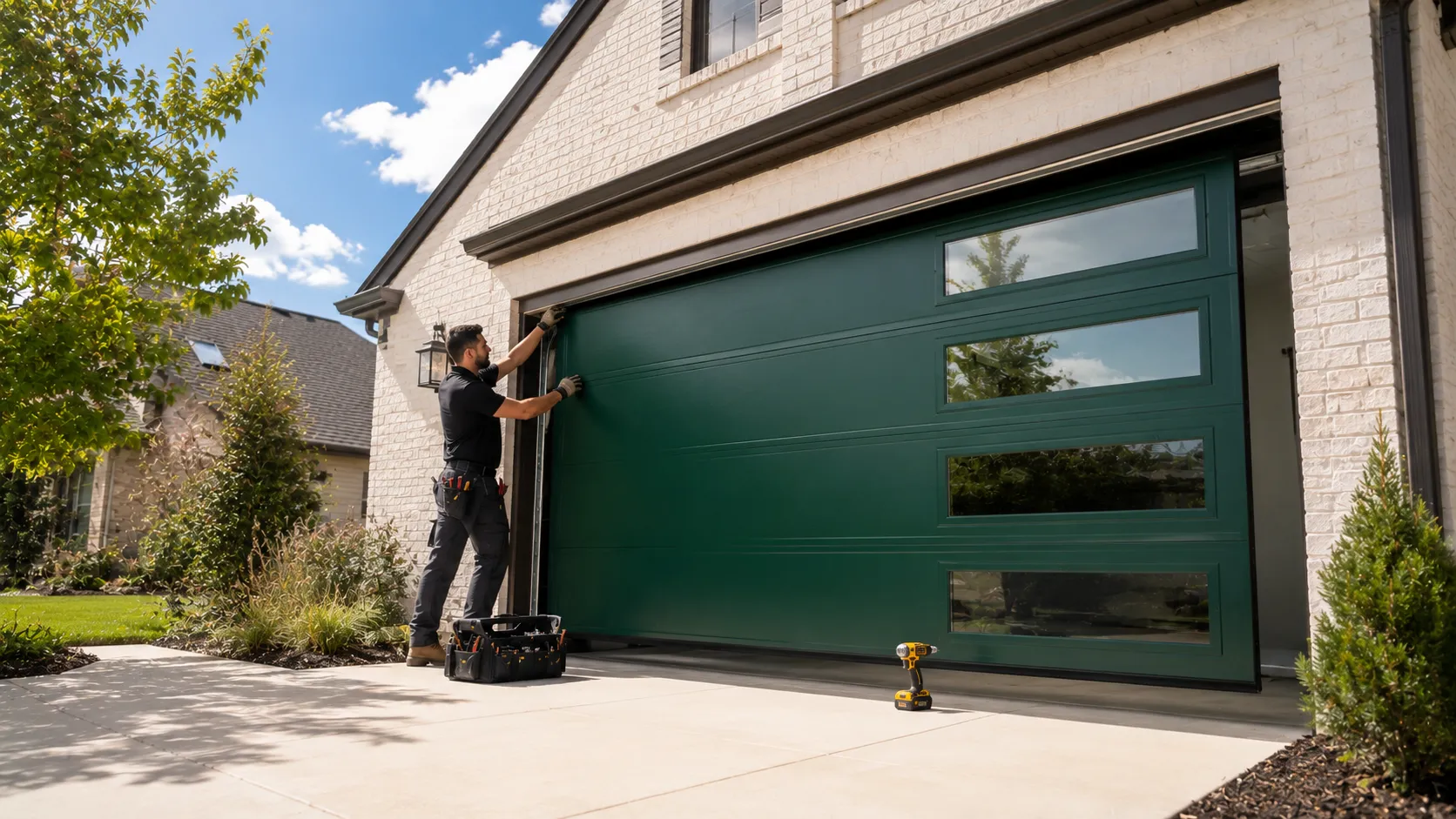
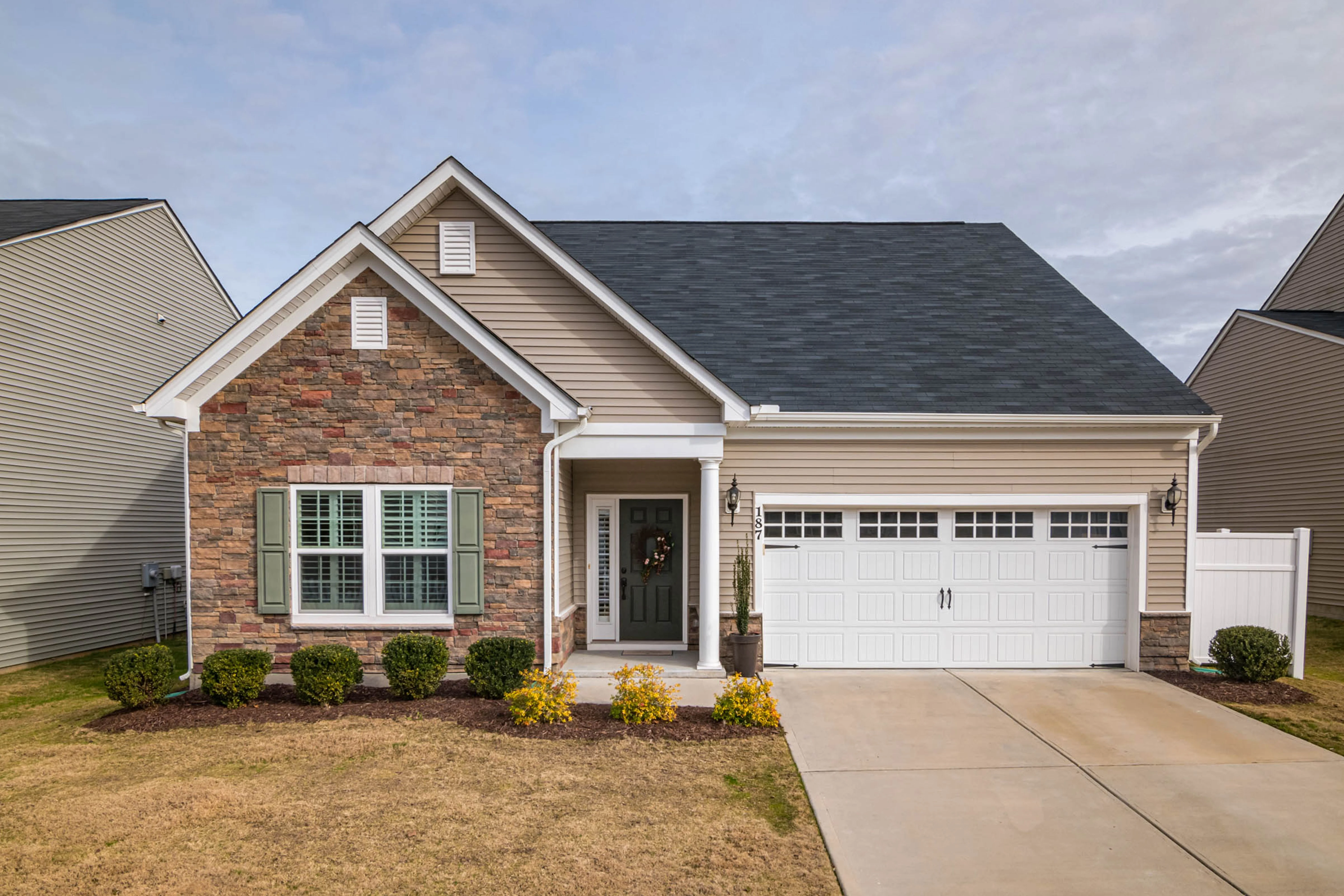
The typical Whately home dates to around 1973, which is notably newer than the 1965 median across the rest of our service area. That gap matters more than it sounds. A house built in the early-to-mid 1970s usually got a sectional steel garage door on an extension-spring system rather than the older one-piece tilt-up doors with side-mounted torsion hardware that show up on 1950s and 1960s housing stock elsewhere.
Extension springs run along the horizontal tracks instead of over the header, and they wear differently - the pulleys and safety cables are usually the first thing to go, not the spring itself. Household incomes here run higher too, at a median around $102,734, which we mention only because it tends to mean owners replace worn openers and cables before they fail outright rather than living with a door that grinds and shudders for another two winters. Not every house fits this pattern - a few older lots exist - but if your door was original to the house, this is the hardware you're most likely dealing with.
What we find
How That Shows Up in the Door
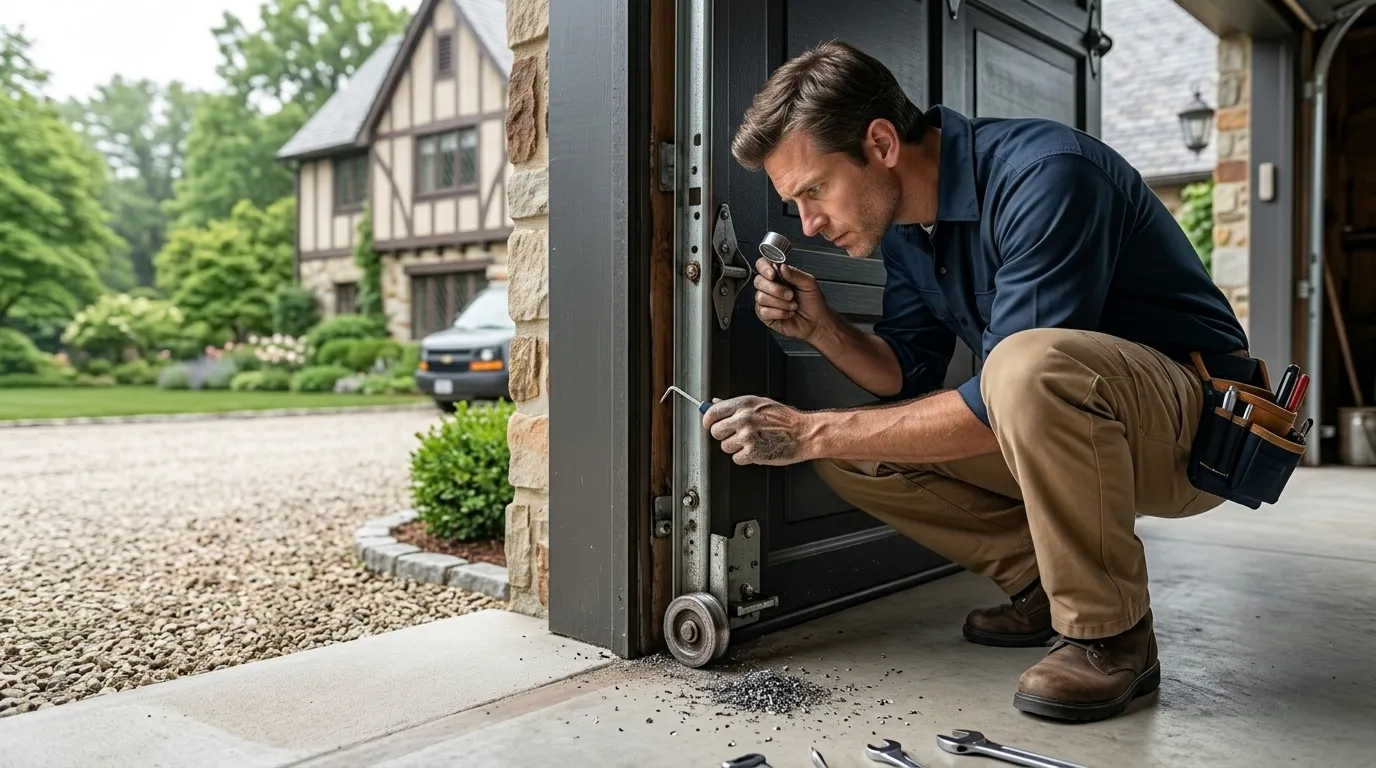
With extension-spring doors from the early 1970s, the calls we get tend to be about a door that slams down the last foot of travel - a sign the extension spring has stretched past its rated cycle life or the safety cable has slipped its mount. That's different from the torsion-spring snap-and-stop failure you see on older one-piece doors. Cold plays a role too.
This is a severe cold climate band, and unlubricated extension springs and pulleys stiffen and bind hard in low temperatures, which is often what turns a door that was merely noisy in October into one that won't move at all in January. We also see galvanized cable fraying near the bottom fixture on doors from this era, since that hardware wasn't always zinc-coated as heavily as later production. None of this is exotic - it's ordinary wear for the age and type of door - but it's not the same fault list you'd hand a homeowner with a 1960s door, and diagnosing it over the phone starts with knowing the house is from the '70s, not guessing.
How we work
Where We Stop
We're honest that Whately is toward the outer range of where we travel from Chicopee. If a job needs a same-day emergency response, we may not be the fastest option this far out, and we'll tell you that up front rather than let you wait on a truck.
We also don't stock every extension-spring length or pulley bracket for older 1970s hardware on the truck - some of those parts get special-ordered, and we'll give you a realistic timeline rather than a guess. If your door is original to a 1973-era build and the drum or track is bent rather than just the spring worn out, replacement of the full track assembly is often the better call than patching it, and we'll say so instead of running up a repair bill on hardware that's on its way out anyway.
Service areas
Other areas we cover near Whately
Questions
Common questions
Do you have a location in Whately?
No. We're based in Chicopee, about 18 miles away, and travel out to Whately for jobs. There's no local depot here, so scheduling works best when you describe the problem clearly on the first call.
Why does my door slam at the bottom instead of stopping smoothly?
On extension-spring doors common to houses built around 1973, that's usually a stretched spring or a slipped safety cable, not a broken torsion spring like you'd see on an older one-piece door. It's worth having checked before the cable fails completely.
Does cold weather actually affect the springs?
Yes. This area sits in a severe cold climate band, and extension springs and pulleys stiffen in low temperatures. A door that's just noisy in fall can seize up hard once winter sets in, especially if it hasn't been lubricated.
Do you carry parts for older extension-spring doors on the truck?
Not always. Some pulley brackets and specific spring lengths for 1970s-era hardware need to be special-ordered. We'll tell you honestly if your job needs a part we don't stock rather than delay the repair.
Ready when you are
Need a garage door sorted in Chicopee?
Chicopee Garage Door Pros repairs and installs garage doors, springs and openers in Chicopee, MA and the surrounding area.