
Guide
Buying a Replacement Door Here: Chicopee's Housing and Climate
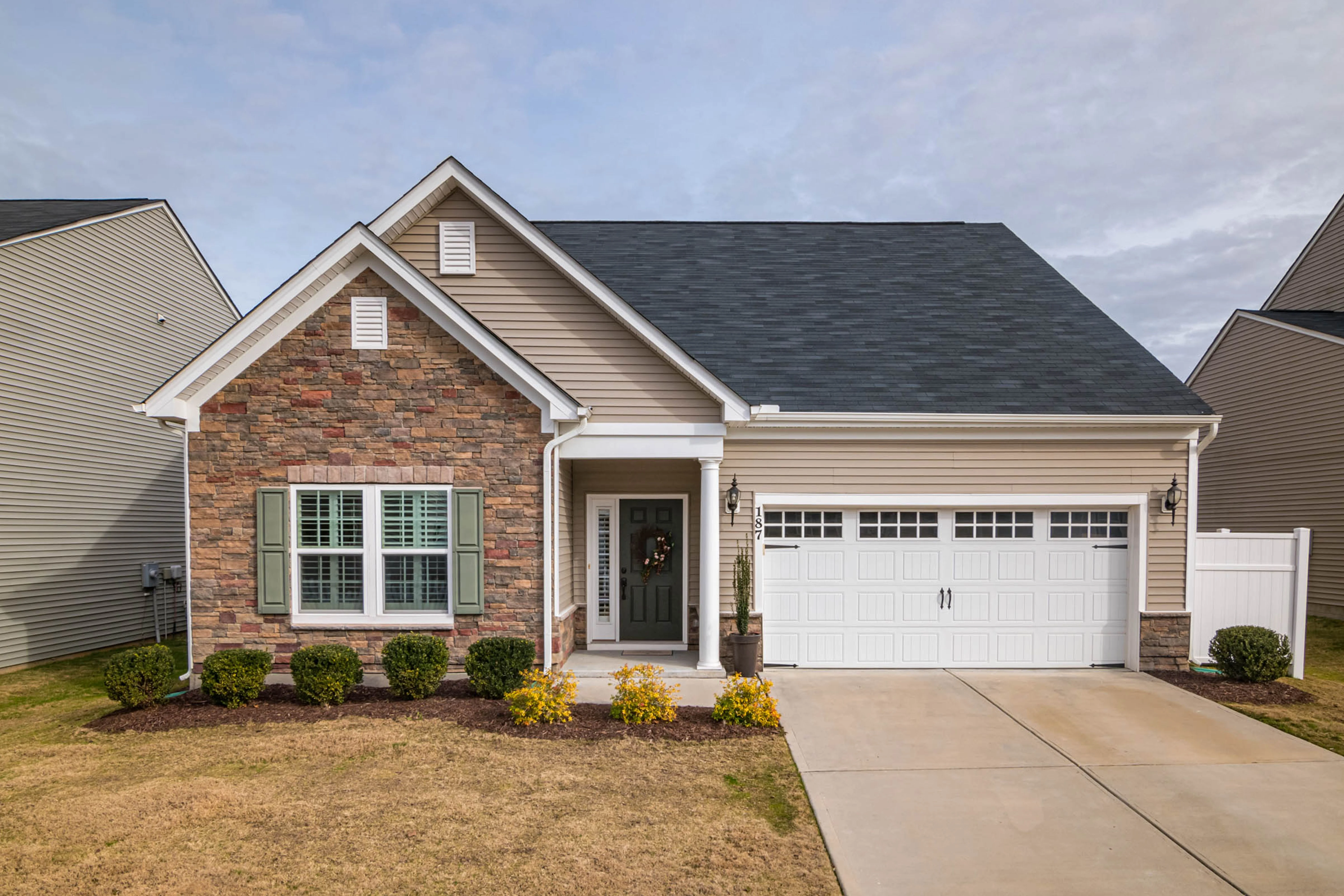
Chicopee homes mostly went up between 1938 and 1989, with most stock from the 1960s and 70s. Here's how that age and our cold winters shape a door replacement job.
Local detail
Season by Season
Chicopee sits in a cold-severe climate band, and that shows up on garage doors in a predictable yearly pattern. Winter is the hard season: repeated freeze-thaw cycles work on weatherstripping and door bottoms, and steel panels without insulation contract enough to throw off track alignment on the coldest mornings. Spring brings the payoff of that stress - a lot of our calls in that stretch are torsion springs that finally let go after a winter of extra cycling against stiff, cold hardware. Summer is gentler on the door itself but hard on openers pushed into un-insulated garages that swing from near-zero to 90-plus degrees across the year. Fall is when a smart owner gets ahead of it: lubing rollers and checking cable wear before the cold sets back in.
None of this is abstract for the houses here. With median construction dating to 1965 and most of the surrounding stock from the 1960s and 70s, a large share of doors and openers in Chicopee are working through their second or third winter cycle without an insulation upgrade. That's the seasonal pattern this town actually lives with, not a generic weather note.
The area
What Local Conditions Do
A cold-severe climate does specific, measurable things to a garage door. Steel panels lose flexibility below freezing, so a door that closes flush in July can bind or bounce on the last few inches in January. Torsion springs wound for a moderate climate get extra load in deep cold because the door itself is heavier to lift when the metal has contracted and the lubricant in the bearings has thickened. Vinyl and rubber weatherseals, the kind original to houses built in the 1938-1989 range that makes up most of Chicopee's stock, harden and crack faster here than they would in a milder band.
The practical result is that hardware sized right for a 1965-built house often needs replacing on a shorter cycle than the same hardware would need in a warmer part of the country. That's not a knock on the original builders - it's just what this climate band does to steel, rubber, and grease over five and six decades. It's also why a straight swap of an old door for a new one, without checking spring weight and seal quality against current cold-weather standards, is a common way to end up calling us back within a year.
What we find
What Is Going On
Most of the doors we're replacing in and around Chicopee came off houses built between 1938 and 1989, with the bulk from the 1960s and 70s boom that shaped this area and the towns around it. That generation of doors was built to the standards and materials of its decade - single-layer steel, non-insulated panels, torsion springs sized for the lighter doors common then. Fifty or sixty years of cold-severe winters later, a lot of that original hardware is at or past the end of its practical life, even where the door face still looks fine.
What we're actually seeing on most calls isn't one dramatic failure but an accumulation: a spring wound for a lighter, older-style panel now working overtime, tracks that were never leveled to modern tolerance, and openers retrofitted onto hardware they weren't designed for. Buying a replacement door here usually means correcting for decades of small mismatches at once, not just swapping one panel for a newer-looking one. That's the honest picture of what's going on behind most service calls in this part of the housing stock.
How we work
The Cost of This Job
We don't have a flat number to hand you here, and giving you one without seeing the door would be a guess dressed up as a quote. What we can tell you is what drives cost on a house like the ones common in Chicopee. A door on original 1960s-70s hardware usually needs new springs and track hardware brought up to current cold-climate tolerances, not just a panel swap, and that adds labor beyond the door price itself. Insulated panels cost more upfront than non-insulated steel, but in a cold-severe climate they cut the temperature swing an opener and its wiring deal with year-round, which matters over the life of the door.
One honest limitation: if your opener is more than a couple decades old and mismatched to a heavier insulated door, replacing the door alone can leave you with a motor that's underpowered for the new load - that's a second conversation, not something we fold into a door quote without looking at it. With median household income in the service area at $94,421 across 101,618 households and 51,068 owner-occupied houses, most of the replacement decisions we see are homeowners weighing that upfront insulation cost against a door that's already worked hard through fifty or more Chicopee winters.
Questions
Common questions
Why do garage door springs break more often here in winter?
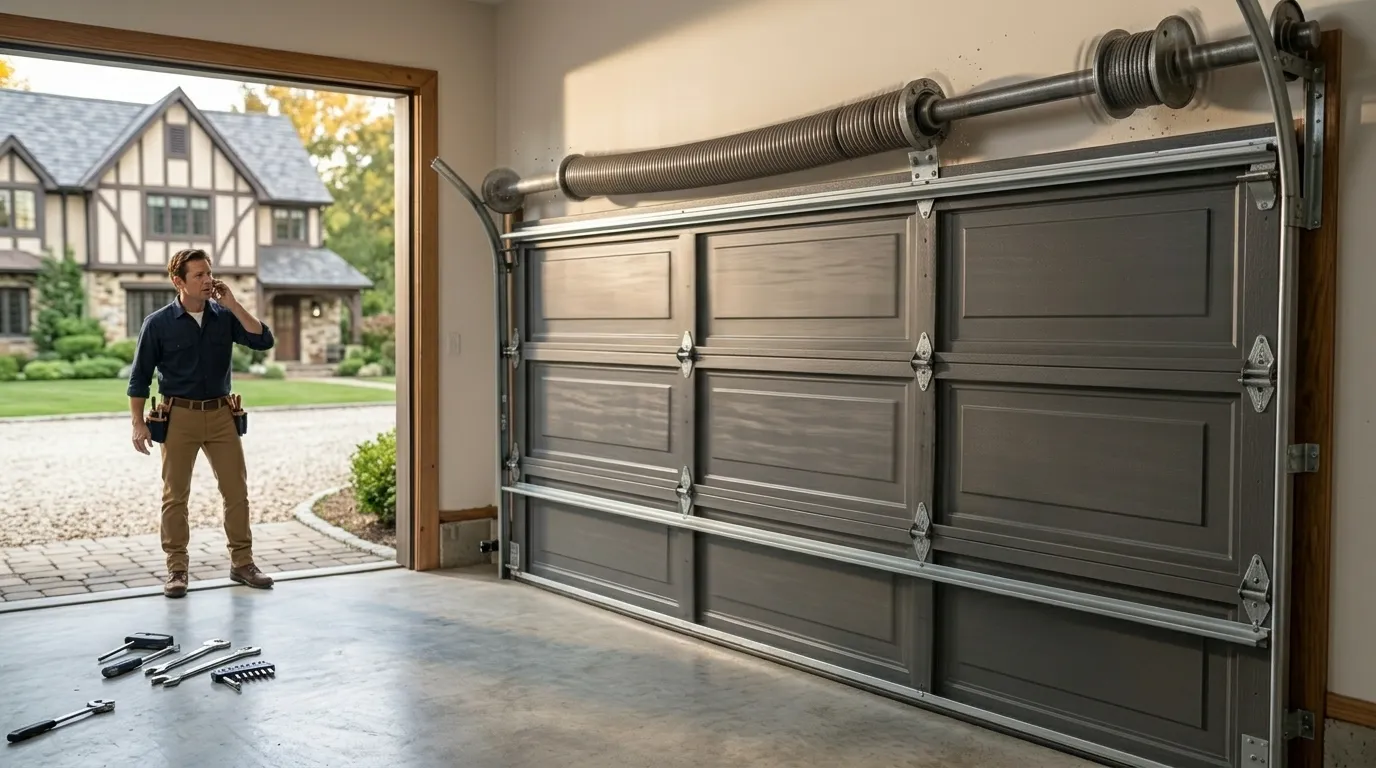
Cold-severe winters make steel stiffer and grease thicker, so the door is effectively heavier for the spring to lift on the coldest days. A spring already near the end of its life, especially one sized for an older 1960s or 70s door, tends to give out under that extra winter load rather than in a mild month.
Is my door's age a sign I need a full replacement instead of a repair?
If your house dates to the common local range of 1938 to 1989, and especially the 1960s-70s stock that makes up most of the area, your hardware may be older than the door face suggests. That doesn't always mean replacement - sometimes new springs and seals fix it - but it's worth checking before you spend on a repair that won't hold through another cold season.
Does an insulated door actually matter in a climate like this?
In a cold-severe band, yes - insulated panels reduce the temperature swing your garage and any attached wall see across the year, which is easier on an opener and anything stored or plumbed near the garage. It costs more upfront than plain steel, so whether it's worth it depends on how the garage is used.
Ready when you are
Need a garage door sorted in Chicopee?
Chicopee Garage Door Pros repairs and installs garage doors, springs and openers in Chicopee, MA and the surrounding area.