
Guide
What Your Garage Door Is Trying to Tell You
Chicopee homes built mostly 1938-1989 carry original hardware into a severe cold climate. Here's what each noise means and what it costs to fix it right.
Local detail
Season by Season
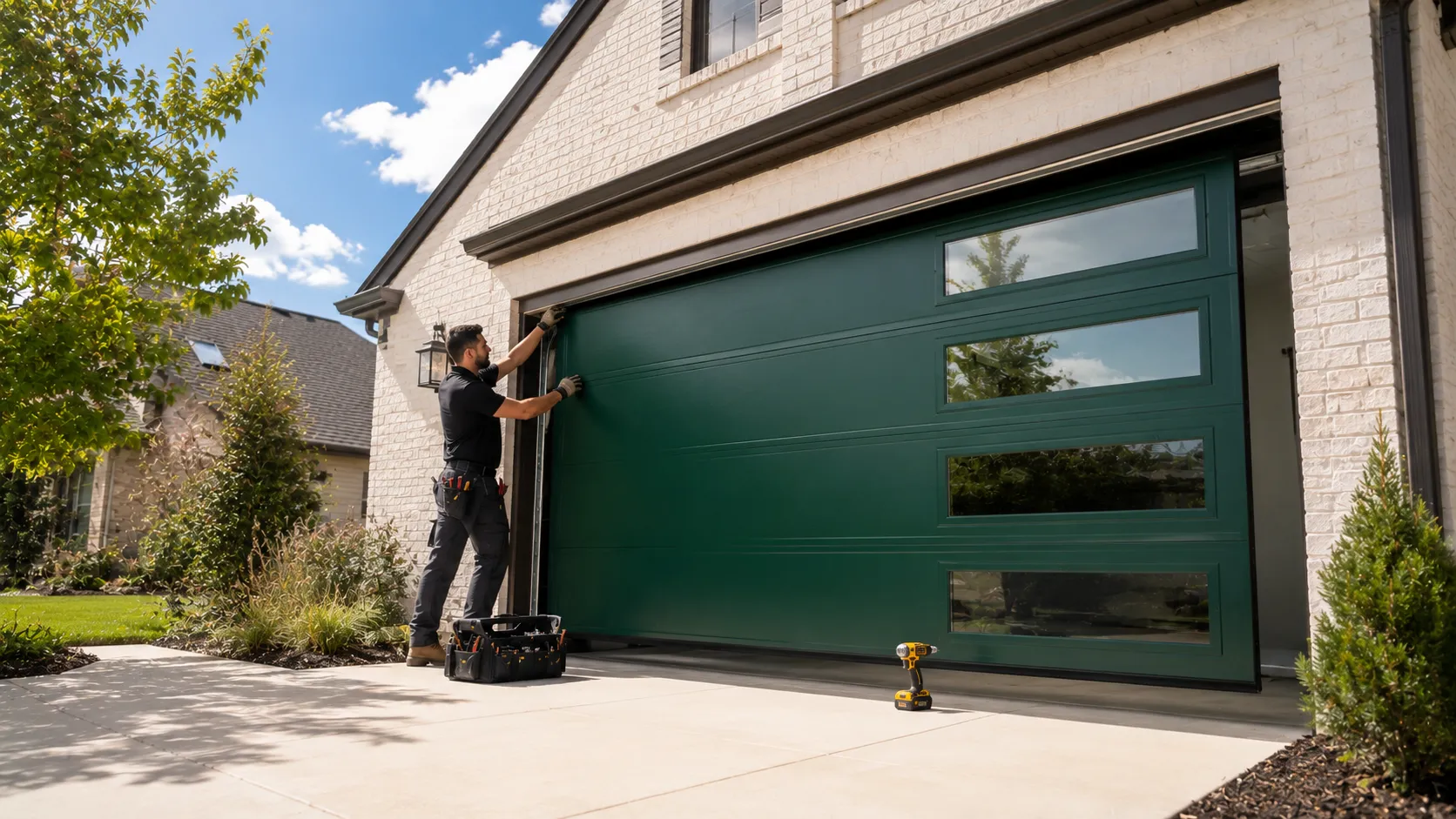
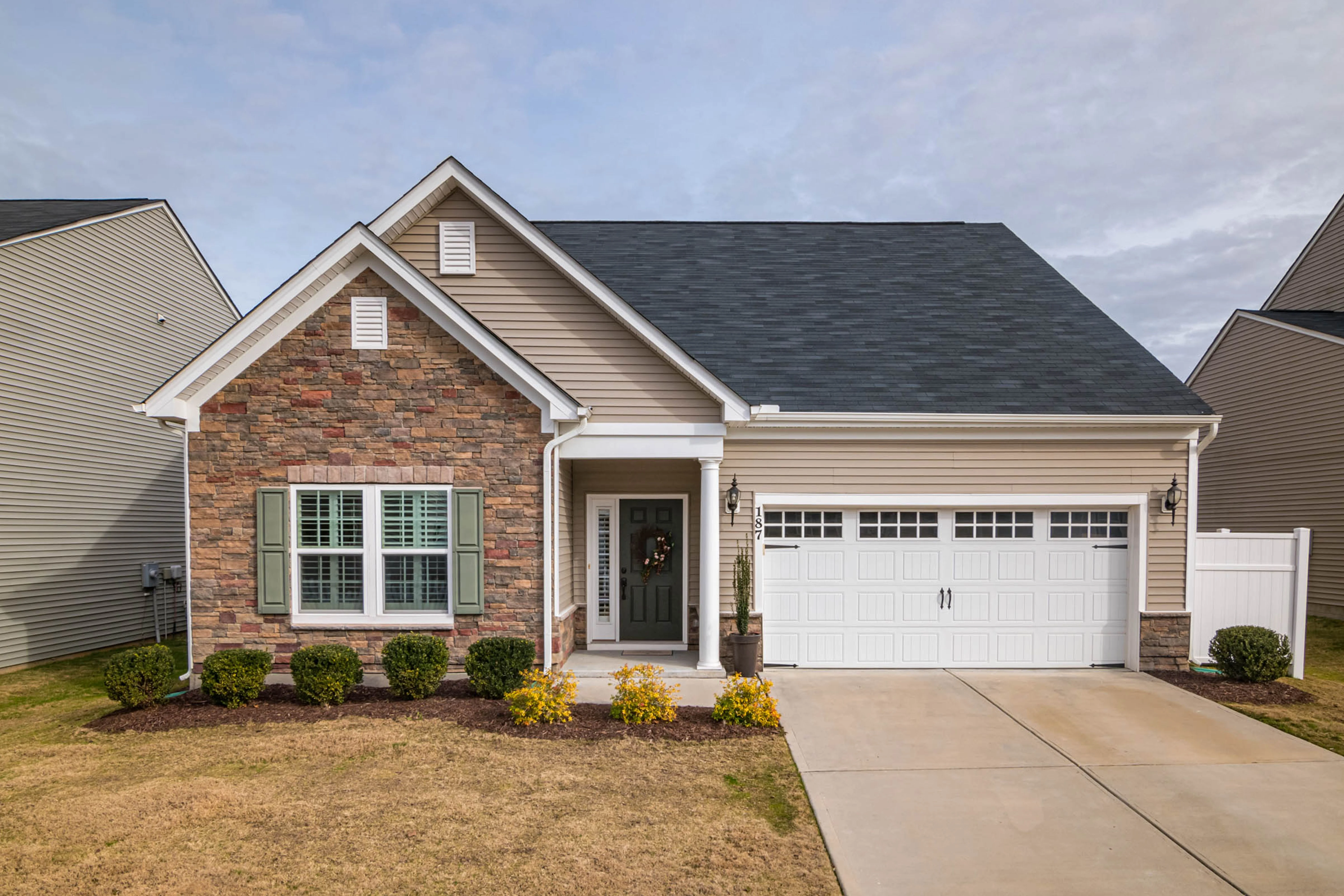
Most of the housing stock around Chicopee went up between 1938 and 1989, with the median build year sitting around 1965. That means a lot of doors and openers running on hardware that's older than the homeowner calling us. Winter is when that age shows up loudest. A severe cold climate means steel contracts, grease thickens, and springs that were fine in September start groaning by December. You'll hear it first thing in the morning, before the door and the garage air have warmed to the same temperature - a slow grind on the way up, a bang on the way down.
Spring brings a different sound: squealing rollers as humidity swings and old lubricant washes out or gums up. Summer is usually the quiet season, which is exactly why people skip maintenance then and pay for it in November. Fall is your window. If a door has been groaning all winter and gets quiet again by June, that's not fixed - that's warm weather hiding a spring or roller problem that cold will bring right back.
The area
What Local Conditions Do
A severe cold climate doesn't just make a door sound worse - it changes what actually breaks. Torsion springs lose tension faster when the metal is cold, so a spring rated for a certain number of cycles gives out sooner here than it would in a mild climate. Steel tracks contract slightly in deep cold, which is enough to turn a roller that was riding fine in August into one that catches and squeaks every cycle in January.
With so much of the local stock dating to the 1960s and 70s, we're also dealing with original or first-generation replacement hardware in a lot of these openings - galvanized rollers instead of nylon, single-spring setups on doors that really call for two, panel seams that were never insulated because nobody insulated garage doors when these houses were framed. None of that is a defect. It's just what a 1965-vintage garage looks like when a Massachusetts winter has had sixty winters to work on it.
What we find
What Is Going On
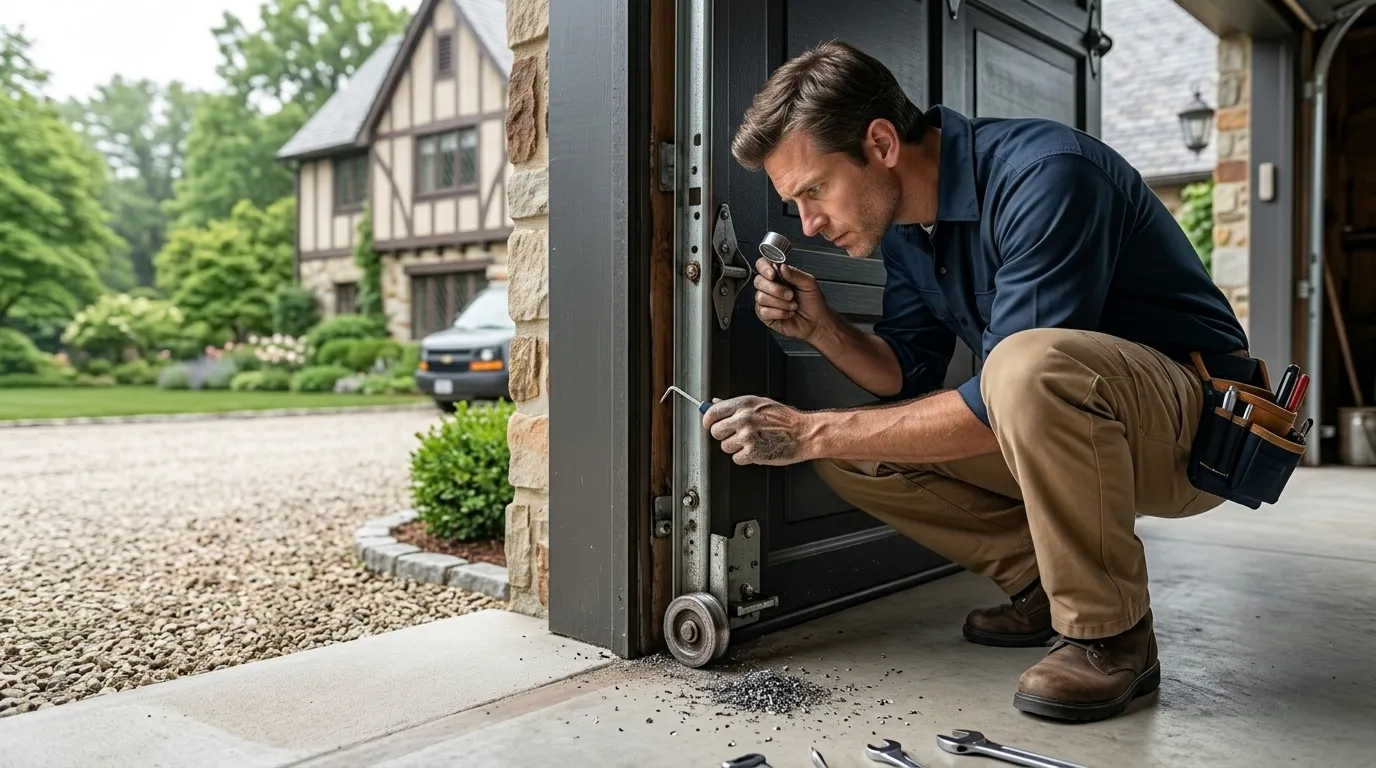
A rhythmic thump on the way down, once per rotation, is almost always a flat spot on a roller or a bent track hanger - common on doors from the older end of the 1938-1989 range where steel gauges were thinner. A sharp bang, once, usually at the top of travel, is a spring losing its remaining tension or a cable starting to fray at the drum. Don't run the door again until that one's looked at.
A steady squeal that rises and falls with the door's speed is dry rollers or hinges - cheap to fix, and if you catch it early it stays cheap. A grinding sound from the opener motor itself, especially in the coldest months, often means the drive gear or chain is fighting stiffened grease rather than an actual mechanical failure. And silence followed by nothing - the door just won't move - is the one that means a spring already let go. On the 1960s-70s single-spring setups that are common in this area, that failure is often sudden rather than gradual.
How we work
The Cost of This Job
We can't quote a price without seeing the door - spring size, opener age, and how much of the original hardware is still in play all change the number. What we can tell you is what drives the cost up or down. A single torsion spring replacement on a standard door is a different job than replacing a full 1960s-era two-spring system where the drums and cables have never been touched. Older doors sometimes need a bearing plate or a shaft replaced along with the spring, because the parts have simply worn as a set.
One honest limitation: on some of the oldest doors in the 1938-1989 range, exact-match replacement panels or hardware are no longer manufactured. When that happens, the choice is between a compatible retrofit part and replacing the door section, and we'll tell you which makes sense rather than force a fix that won't hold. With median household income in this service area at $94,421 across roughly 101,618 households, most owners we talk to want the repair done right the first time rather than patched twice.
Questions
Common questions
Why does my garage door only make noise in the winter?
Cold makes steel contract and lubricant thicken, so worn rollers, tight tracks, and aging springs that were tolerable in warm weather start showing up as noise. Given the severe cold winters here and how much of the local housing dates to the 1960s and 70s, this is one of the most common calls we get between November and February.
Is a loud bang always a broken spring?
A single loud bang, especially at the top of the door's travel, usually is a spring or a fraying cable letting go. Don't operate the door again until it's inspected - a broken spring under tension, or a cable about to snap, can cause real damage or injury if the door is run anyway.
Can you match hardware on an older Chicopee-area home?
Often, yes, but not always. On doors from the earlier end of the local 1938-1989 building range, some original parts are no longer made. We'll tell you honestly whether a compatible retrofit part will do the job or whether the section needs replacing.
Ready when you are
Need a garage door sorted in Chicopee?
Chicopee Garage Door Pros repairs and installs garage doors, springs and openers in Chicopee, MA and the surrounding area.