
Chicopee, MA
Garage Door Service for Chicopee's Older Housing Stock
Chicopee homes built in the 1960s and 70s carry original hardware into a cold climate. Here's why springs and openers fail here, and what the fix actually involves.
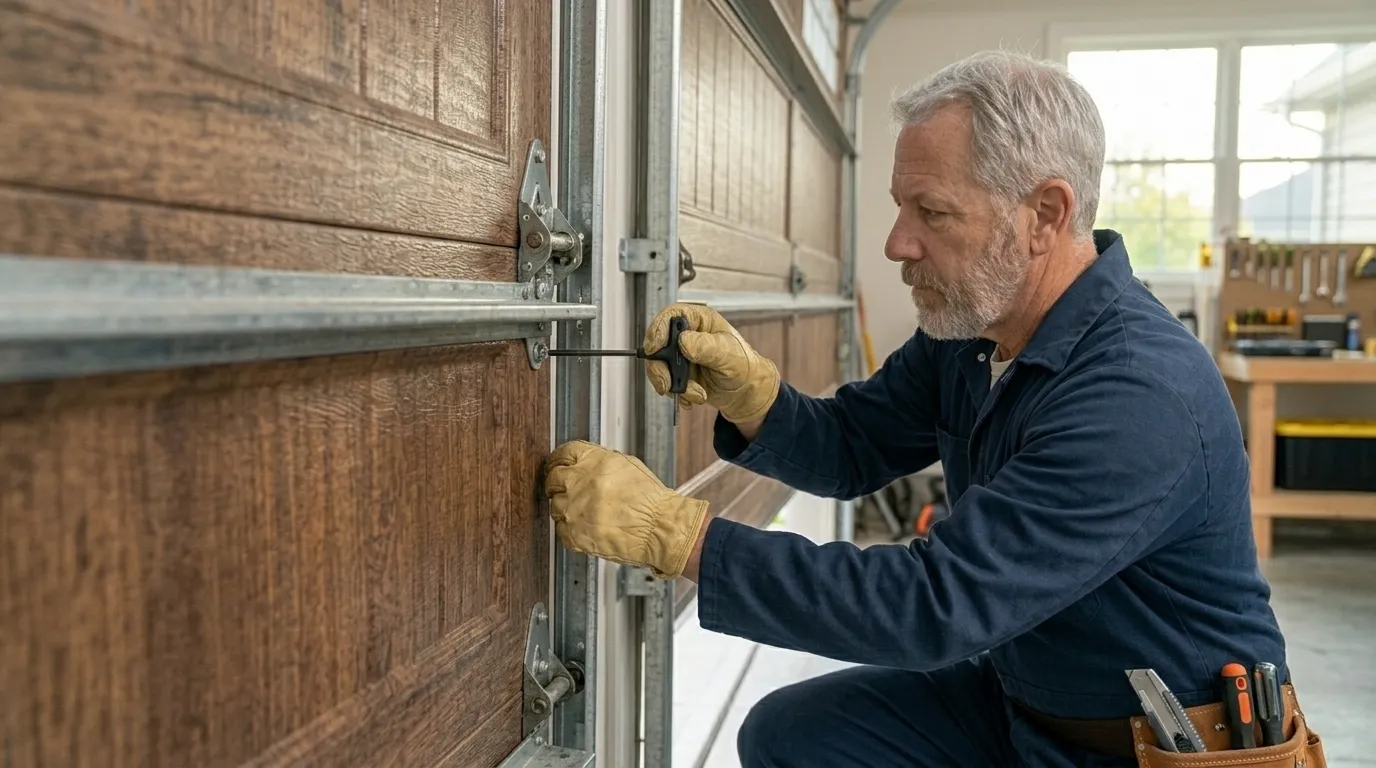
What we do
Garage door work in Chicopee
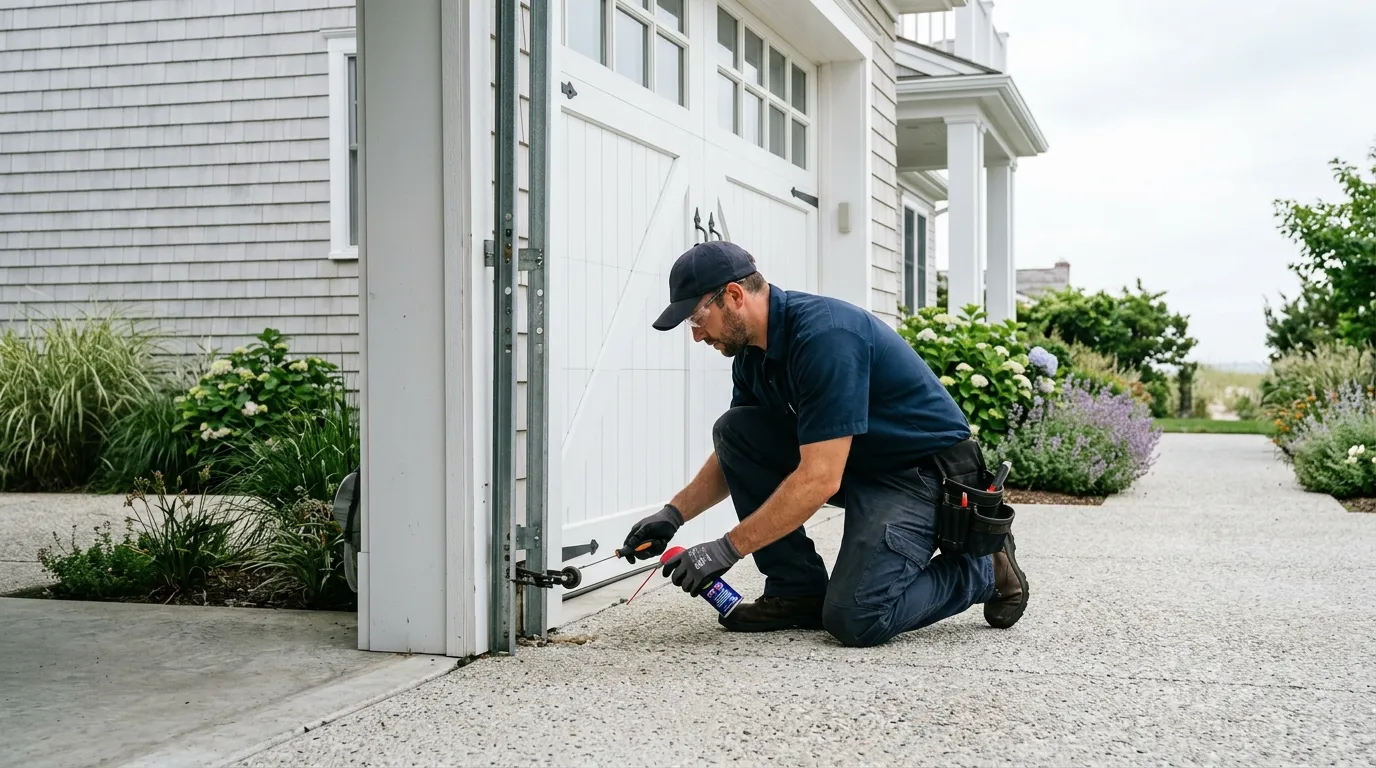
Garage Door Repair for Chicopee's Older Housing Stock
Chicopee homes built between 1938 and 1989 carry original torsion hardware that cold winters push past its limit. Learn more →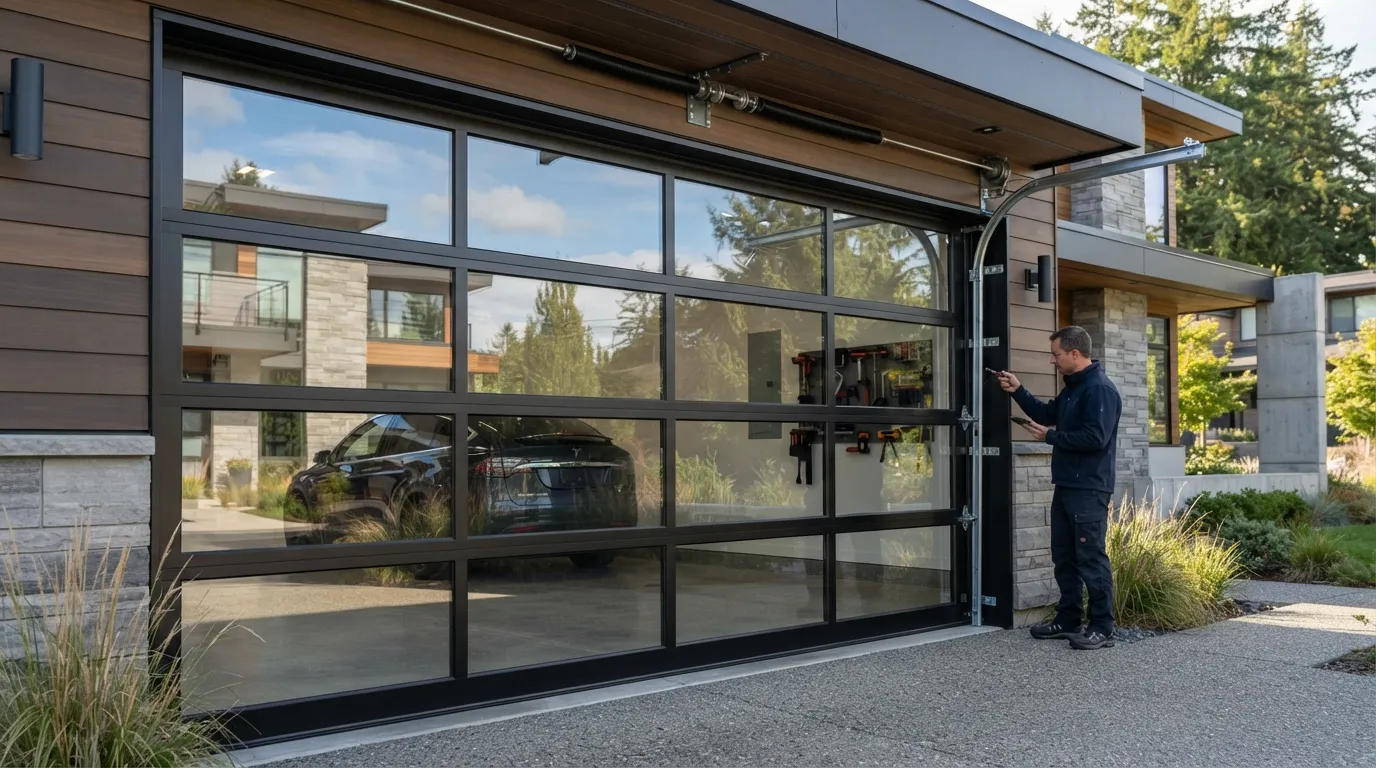
Garage Door Installation for Chicopee Homes
New garage door install in Chicopee, MA, built around 1965-era homes and cold-climate wear. Learn more →Local detail
Why It Happens Here
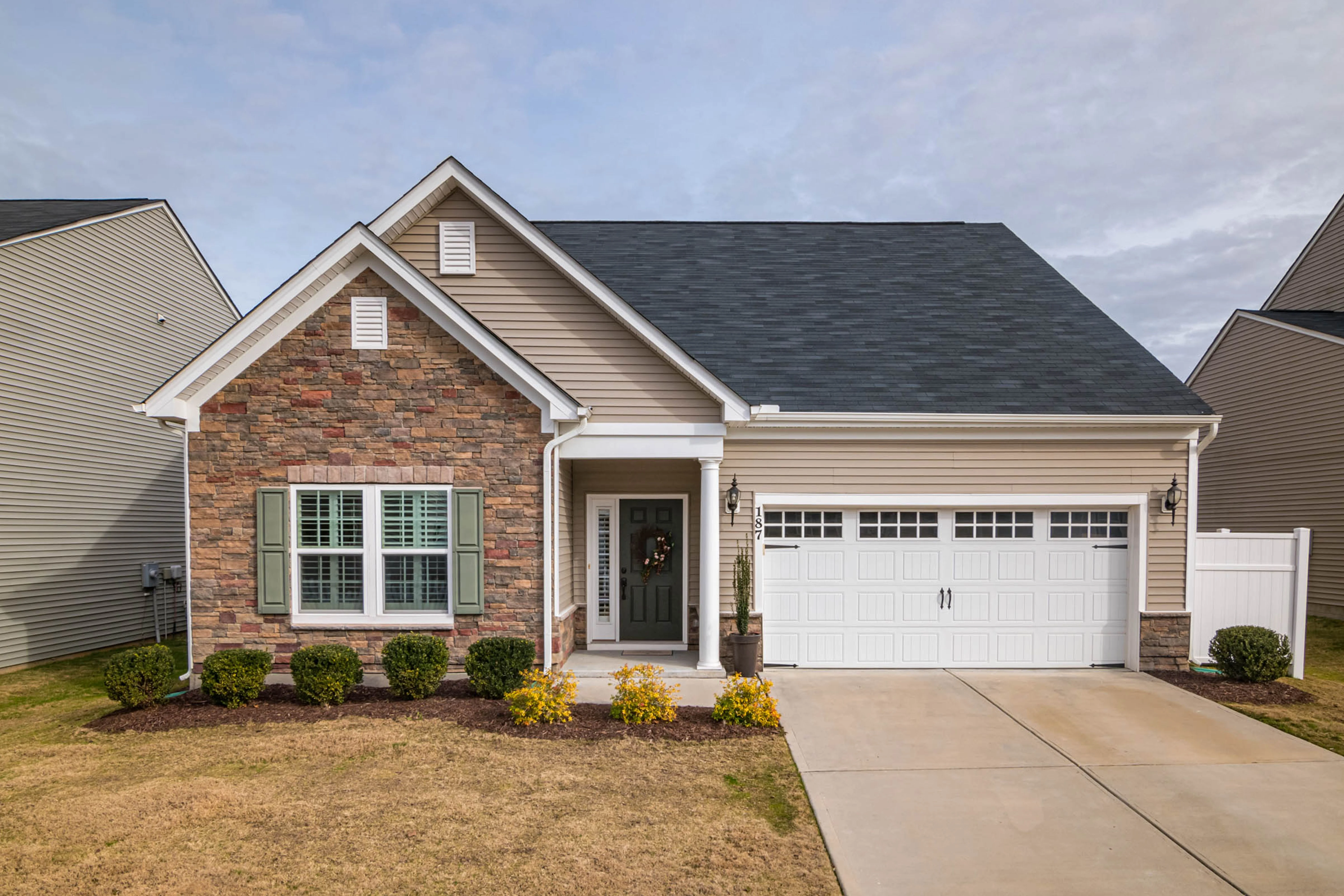
Most of the houses we get called to in Chicopee went up between 1938 and 1989, with the bulk of the stock dating to the 1960s and 70s. That matters for one reason: torsion springs are rated in cycles, not years, and a spring installed when a house was built in 1965 has had six decades to open and close. Steel fatigues whether or not anyone maintains it, and a lot of these springs were never upsized when heavier insulated doors replaced the original single-layer panels.
Cold makes it worse. Chicopee sits in a severe cold climate band, and steel contracts in low temperatures, which raises tension on a spring that's already near the end of its life. That's why the failure clusters in winter: a spring that's been creaking along all fall lets go on the first hard freeze, usually first thing in the morning when the door hasn't moved in eight hours and the metal is at its stiffest.
We're not saying every older door in Chicopee is about to fail. We're saying the math on a 55-to-85-year-old torsion spring, combined with a cold snap, is not in your favor, and that's the call we get most.
The area
Doing It Yourself
A torsion spring is under enough stored tension to break a wrist or worse if the winding bar slips, and we don't walk homeowners through that job over the phone. What you can safely do yourself: check that the tracks are clear of ice buildup, make sure the bottom weatherstrip hasn't frozen to the slab, and listen for a grinding or popping sound from the springs before it turns into a snap. If the door feels heavier than it used to when you lift it manually with the opener disconnected, that's your spring losing tension - stop using the opener and call before it fails outright.
Lubricating rollers and hinges with a garage-door-specific lubricant (not WD-40, which washes out grease) is fine for anyone to do. Replacing a spring, cable, or anything holding tension is not a homeowner job, full stop.
What we find
What the Repair Takes
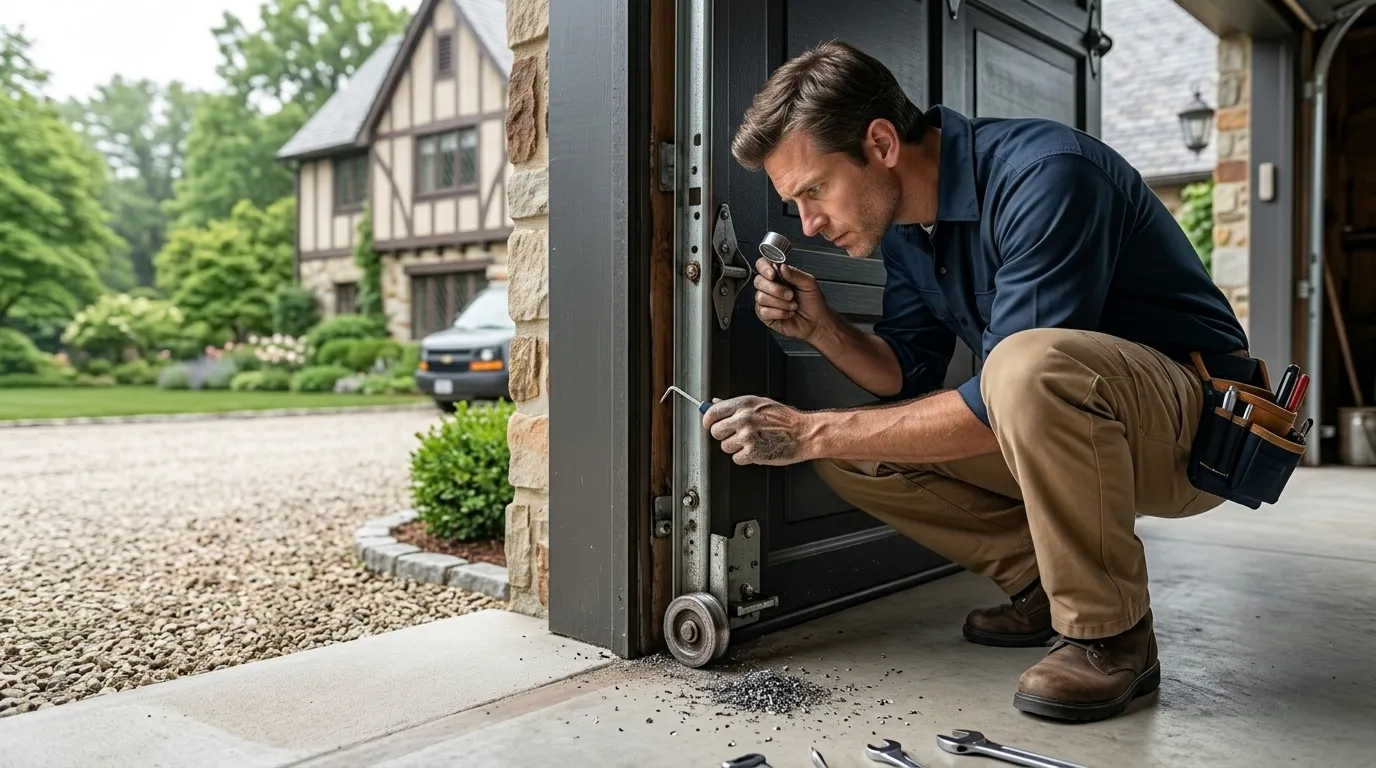
On a house from the 1960s or 70s stock common across this area, the repair often isn't just the spring. Original hardware from that era frequently used lighter-gauge track and smaller-diameter drums than current code calls for, so when we replace a spring we're also checking whether the drums and cable match what the new spring needs to run safely. If the opener is original or close to it, the gear set is usually the next thing to go, and we'll tell you honestly if it's worth replacing now versus waiting for it to fail on its own.
We don't stock every spring size on the truck for every door built in this window - some of the older torsion setups use dimensions that aren't common anymore, and that can mean a short wait on a part. We'd rather tell you that up front than promise a same-day fix we can't back up.
How we work
How It Shows Up
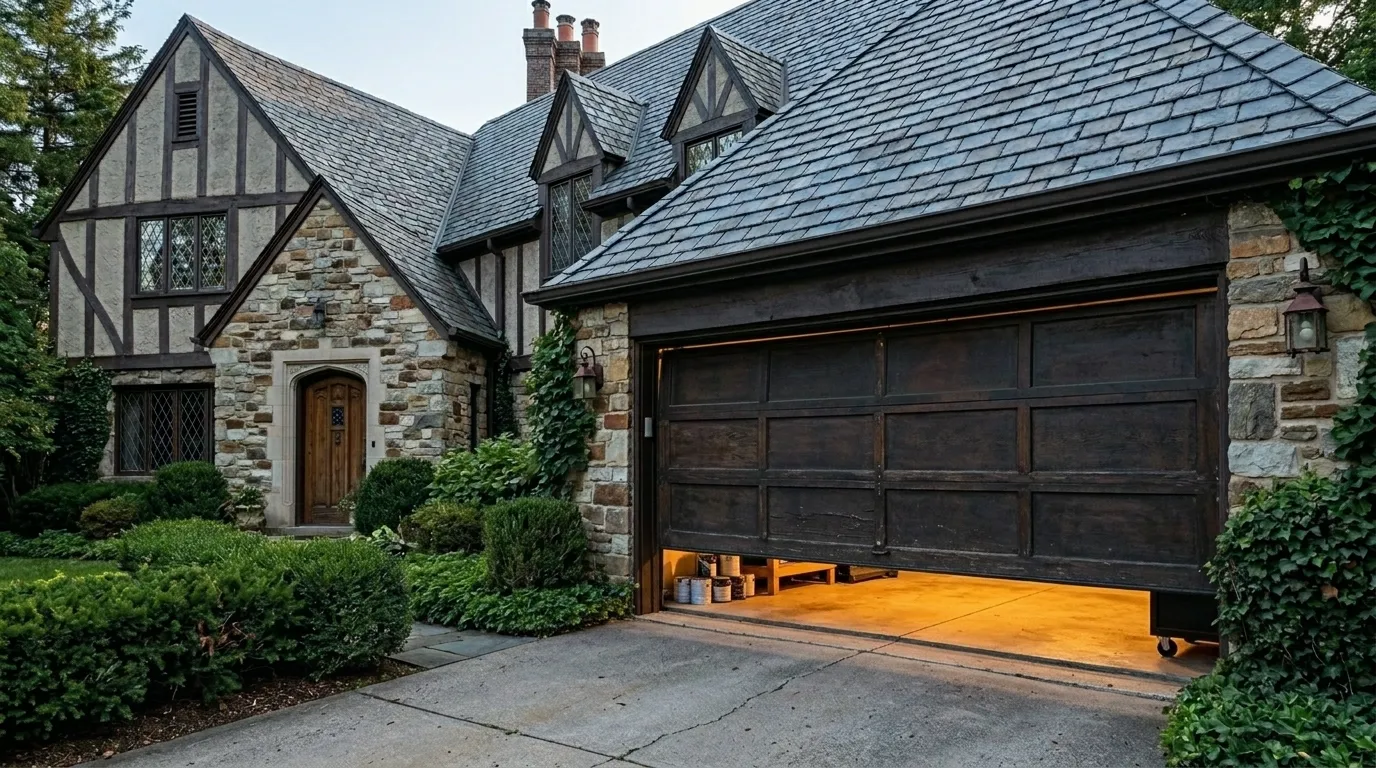
The classic sign is a loud bang from the garage, usually followed by a door that won't budge or one side that sags lower than the other. Less dramatic but just as telling: the opener straining and reversing partway up, a door that closes crooked, or a cable that's started to fray and unwind from the drum. In a cold snap, we also see openers that run but can't lift the door at all - the spring's doing none of the work anymore, and the motor isn't built to carry a 150-plus pound door on its own.
If you're hearing new noise from the garage on a morning after a hard freeze, that's not a coincidence given the age of the stock in this part of the state. Get it looked at before you're stuck with the car inside and a door that won't move.
Questions
Common questions
Why do garage door springs seem to fail more in the cold in Chicopee?
Steel contracts as temperatures drop, which increases tension on a spring that's already fatigued. Chicopee's severe cold climate band means springs installed decades ago, common in the area's 1960s-70s housing stock, are more likely to snap on a hard freeze than on a mild day.
Can I replace a torsion spring myself?
No. A torsion spring holds enough stored energy to cause serious injury if it releases while you're working on it. We handle spring replacement as a job for trained hands with the right bars and clamps - it's not a weekend project.
Do you carry every spring size on the truck?
Not always. Some houses in Chicopee still run original torsion hardware from the 1960s and 70s with dimensions that aren't standard stock anymore. If your setup needs one of those sizes, we'll tell you honestly if there's a short wait on the part.
How do I know if it's the spring or the opener?
If the door feels heavy when you lift it by hand with the opener disconnected, it's the spring. If the door moves fine by hand but the opener strains, reverses, or won't engage, the problem is likely the opener or its gears.
Ready when you are
Need a garage door sorted in Chicopee?
Chicopee Garage Door Pros repairs and installs garage doors, springs and openers in Chicopee, MA and the surrounding area.