
Guide
Weather Seals and Draughts in Chicopee Garages
Chicopee homes built 1938-1989 lose heat through worn garage door seals fast in this cold climate. Here's what actually causes the draught and what it costs to fix.
Local detail
Season by Season
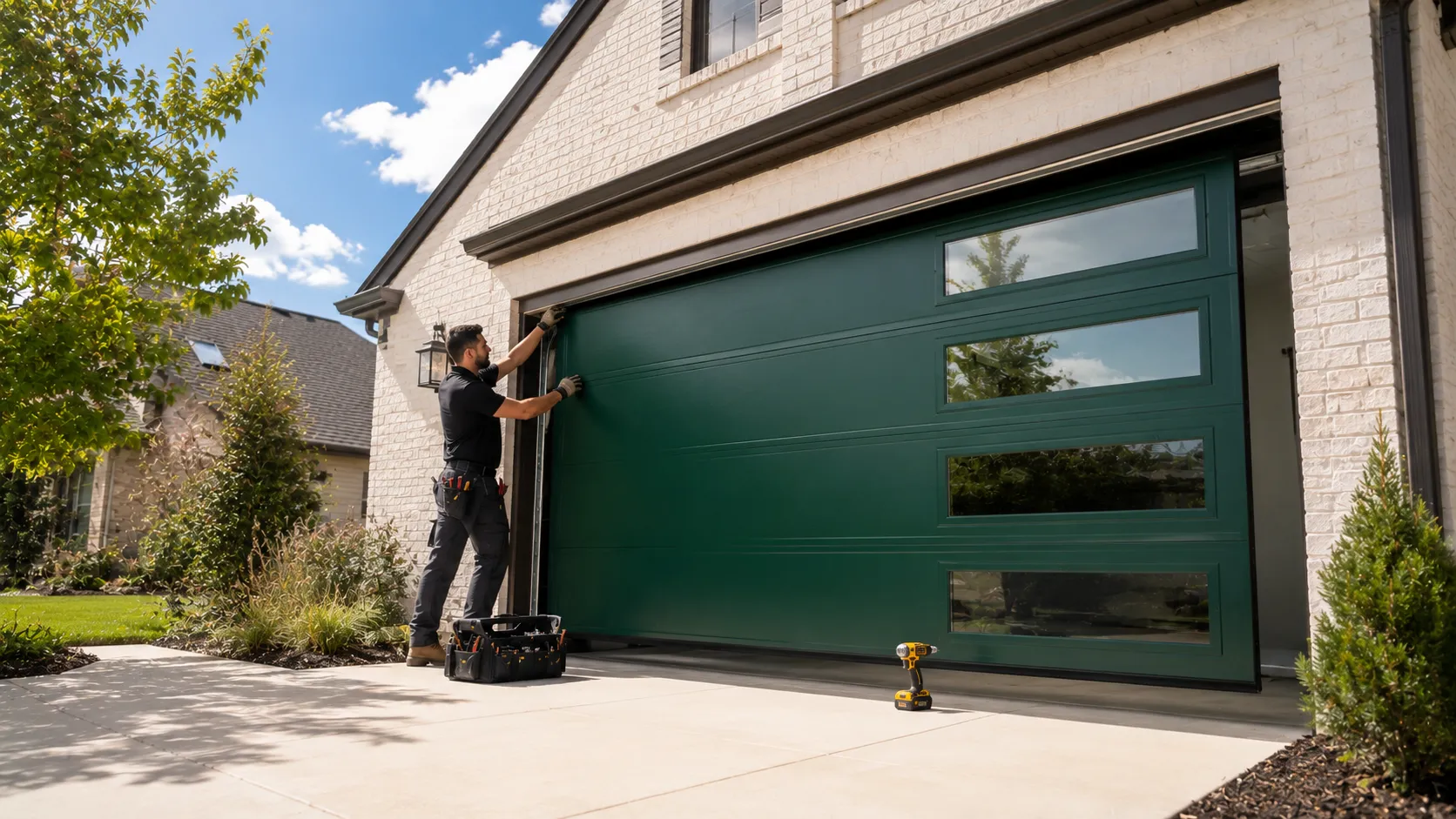
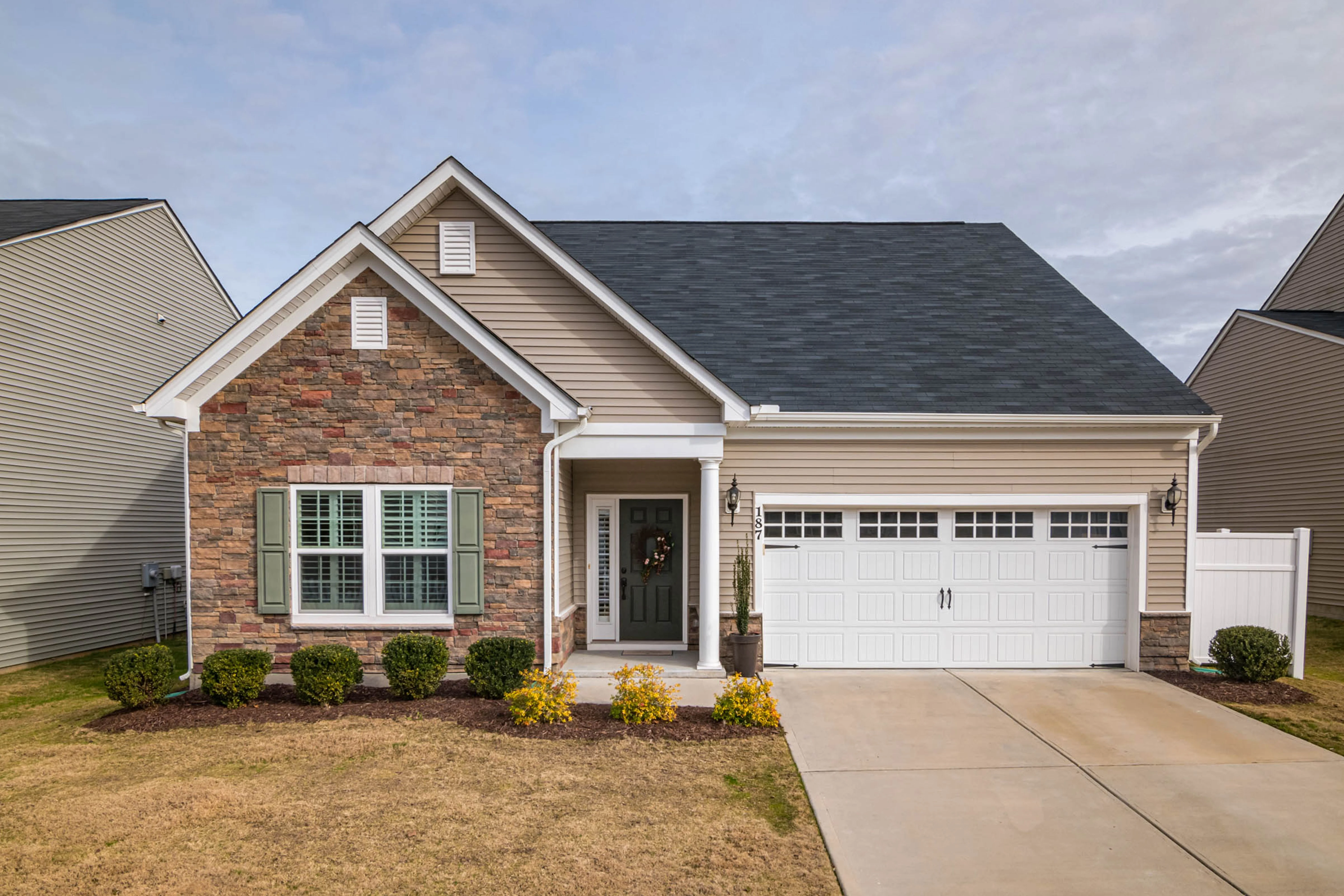
Most Chicopee garages went up somewhere between 1938 and 1989, with the bulk of the stock dating to the 1960s and 70s. That matters because the rubber bottom seal and the side weatherstripping on a door that age were never built to last fifty or sixty years, even if the door itself has been replaced once along the way. Winter is when you find out.
Cold air sits low, and a garage floor that's a few degrees colder than the rest of the house pulls heat out of anything stored against that shared wall - water heaters, laundry hookups, freezers. Spring brings meltwater and slush tracked in under the door, which rots a cracked bottom seal faster than dry cold does. By late summer the seal has usually hardened and shrunk from UV and heat cycling, and that's when the gap under the door gets visible daylight coming through it.
None of this is dramatic. It's just a rubber part doing what rubber parts do over decades in a severe cold climate, and in this part of Massachusetts that cycle repeats every single year.
The area
What Local Conditions Do
This is a severe cold climate band, which means the garage door assembly goes through real freeze-thaw cycling most winters, not just a handful of cold snaps. That cycling is hard on vinyl and rubber seals specifically - they contract in the cold, losing their grip on the threshold, then never fully reseat when it warms back up. On a house built in the 1965 median range, the original door track and jamb were set to fit whatever seal came stock at the time, and replacement seals bought off a shelf today don't always match that old channel width exactly.
That's often why a new seal on an older Chicopee garage still lets a draught through at the corners even after it's installed correctly - the channel itself has worn wider than the new rubber can fill. We see this more on doors that predate the 1980s than on the newer end of that 1938-1989 range.
What we find
What Is Going On
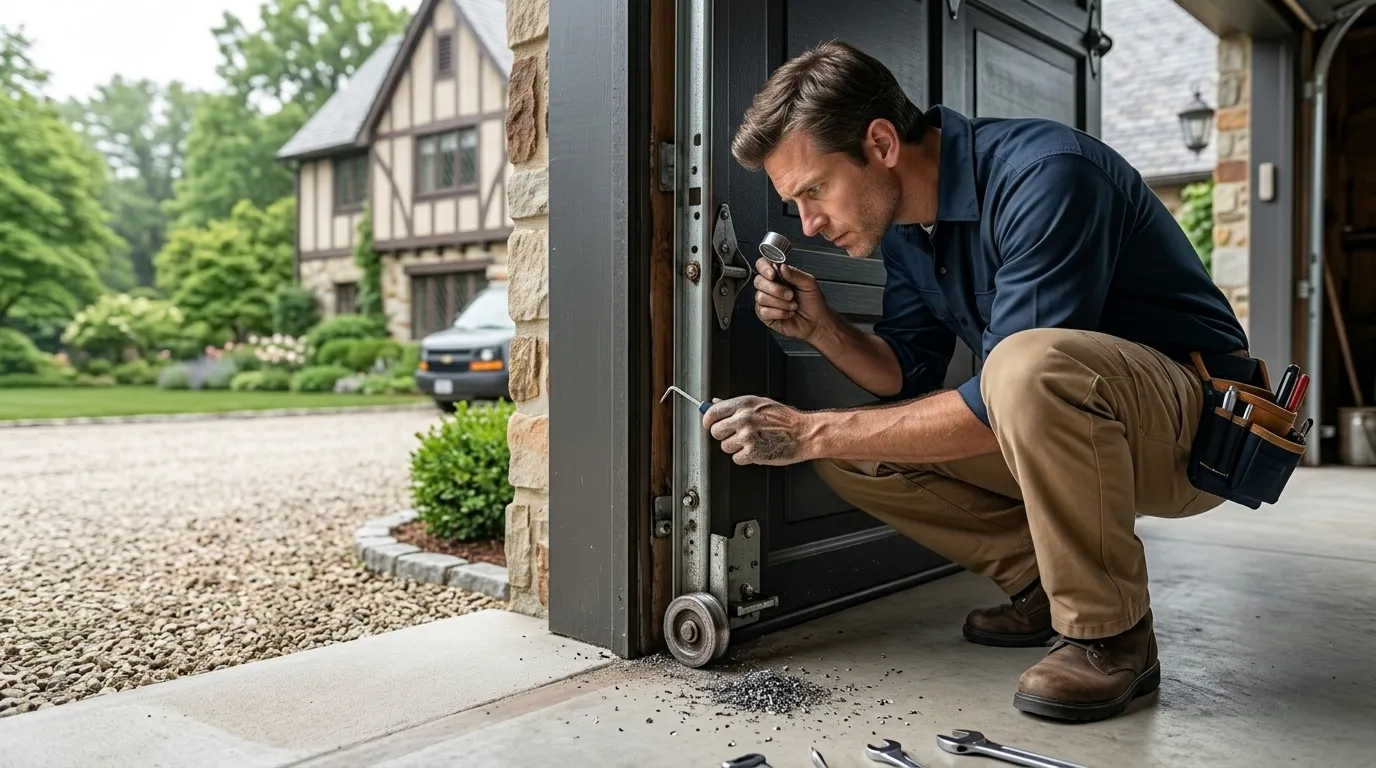
When a homeowner calls about cold air coming into the garage, it's almost never the door panel itself - it's one of three things: a bottom seal that's cracked or flattened, side seals that have pulled away from the jamb, or a threshold gap from a slab that's settled slightly, which is common in houses this age. Across the service area's roughly 101,618 households and 51,068 owner-occupied houses, a large share sit on that same mid-century foundation stock, so this isn't a one-off complaint.
The honest limitation here: a new seal won't fix a door that's out of square or a track that's bent. If the gap is uneven top to bottom, that's a hardware or alignment problem, not a weatherstripping problem, and no amount of seal replacement will close it for good.
How we work
The Cost of This Job
We don't have a set price to quote here without seeing the door, and we're not going to make one up. What we can say is that a seal and threshold job is a small fraction of what a full door replacement runs, and for most of the 1960s-70s stock in this area, replacing the seals is the right call before anyone starts talking about a new door.
Median household income in the service area sits around $94,421, which is worth mentioning only because it's the kind of job most owners handle as routine maintenance rather than a financing decision. If the track is bent or the panel is rusted through, that's a different conversation, and we'll tell you straight if that's what we find.
Questions
Common questions
Why is my garage so much colder than the rest of the house in winter?
In this climate band the garage takes the brunt of freeze-thaw cycling, and on older Chicopee homes the door seals have usually hardened or shrunk enough to let cold air through at the bottom and sides. It's rarely the door panel itself - check the rubber first.
Can I just replace the bottom seal myself?
You can, but on houses from the 1938-1989 stock the threshold channel has often worn wider than a standard replacement seal, so it may still let a draught through at the corners. If that happens after a fresh seal, the channel or threshold needs a look, not another seal.
Is a draughty door a sign I need a whole new door?
Not usually. Most draught complaints trace back to worn seals or a settled slab, both fixable without replacing the door. Replacement makes sense when the track is bent or the panel itself is damaged - we'll tell you which one it is before recommending anything.
Ready when you are
Need a garage door sorted in Chicopee?
Chicopee Garage Door Pros repairs and installs garage doors, springs and openers in Chicopee, MA and the surrounding area.