
Guide
What We Actually Check When We Come to Your Door in Chicopee
Chicopee homes mostly date to the 1960s and sit in a severe cold climate band - here's what a garage door service call actually checks on that stock, season by season.
Local detail
Season by Season
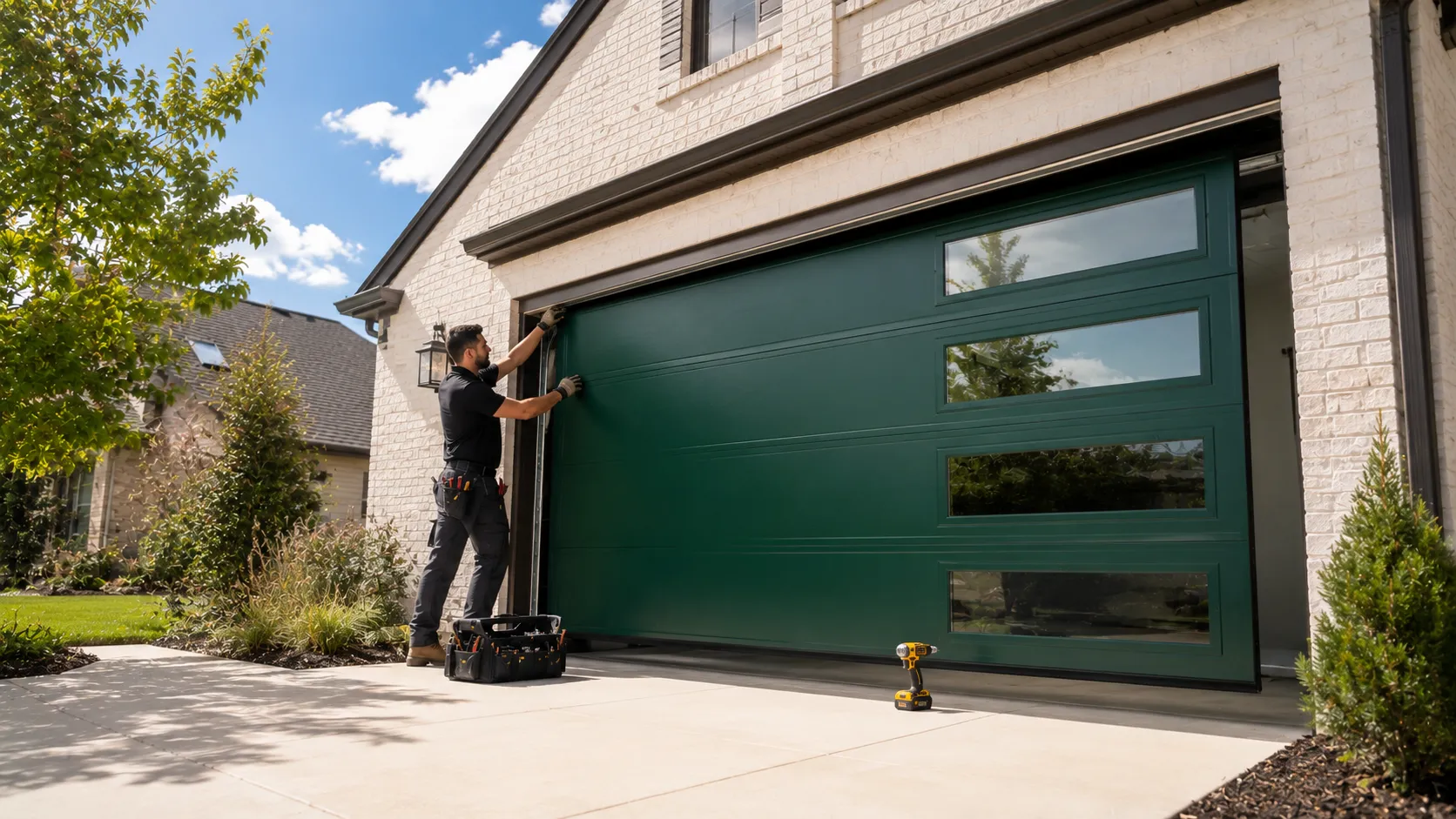
Chicopee sits in a climate band the federal data marks as cold and severe, and that shapes what breaks and when. Steel sectional doors contract in deep cold, which tightens roller-to-track clearance and puts extra load on a torsion spring that's already lost a little tension from age. Late fall and January are when we see the most spring failures and hardened lubricant seizing up rollers that haven't turned freely in months.
Spring brings the opposite problem: freeze-thaw cycles work bottom seals loose, and doors that seated fine in December start leaving a gap along the slab once the ground shifts. Summer humidity swings are harder on original wood-panel doors than most owners expect - panels installed in the 1960s and 70s can swell and bind in the track even when the hardware itself is fine. We don't treat every call the same across the year, because the failure a homeowner describes in July usually isn't the failure we find in a February one.
A call in this town in January is disproportionately a spring call. A call in April is disproportionately a seal or alignment call.
The area
What Local Conditions Do
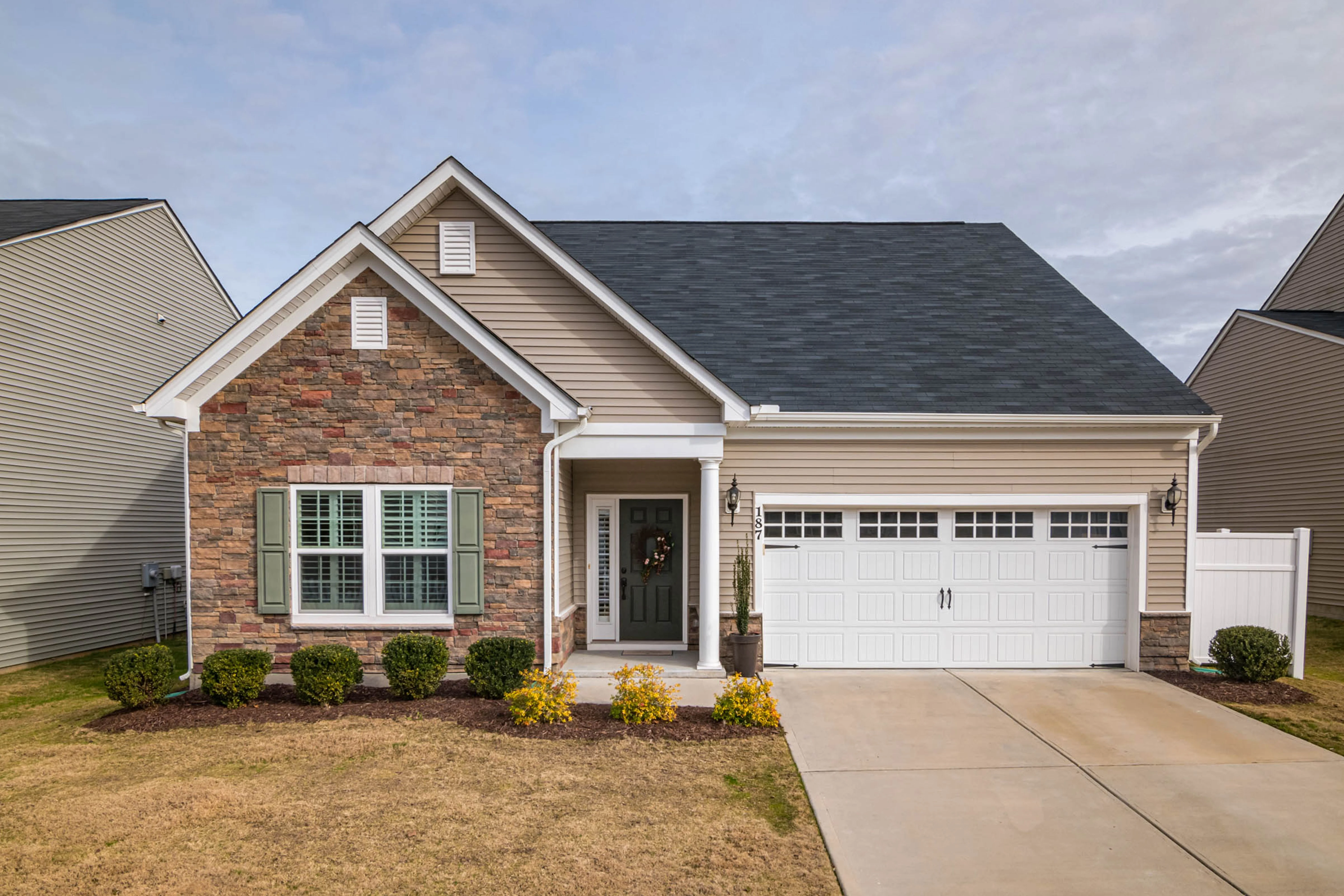
Most of the houses we get called to were built between 1938 and 1989, with the median landing around 1965, and that median matters more than it sounds like it should. A door and opener installed anywhere near that build date has usually been replaced once already, but the track brackets, the header, and sometimes the jamb framing are original. That means low headroom in a lot of garages, jamb wood that's dried and shrunk enough to make lag screws spin instead of bite, and, on unaltered garages, a stud spacing that doesn't match what a modern opener bracket kit assumes.
Across the wider service area the housing stock skews the same way - 1960s and 70s construction is the norm, not the exception - so this isn't a one-off house, it's most of the street. On a service call, we're checking those framing conditions before we ever touch the door itself, because a spring or opener swap on original framing from this era can uncover a bracket that needs re-anchoring, and that's a different job than the one that got booked.
What we find
What Is Going On
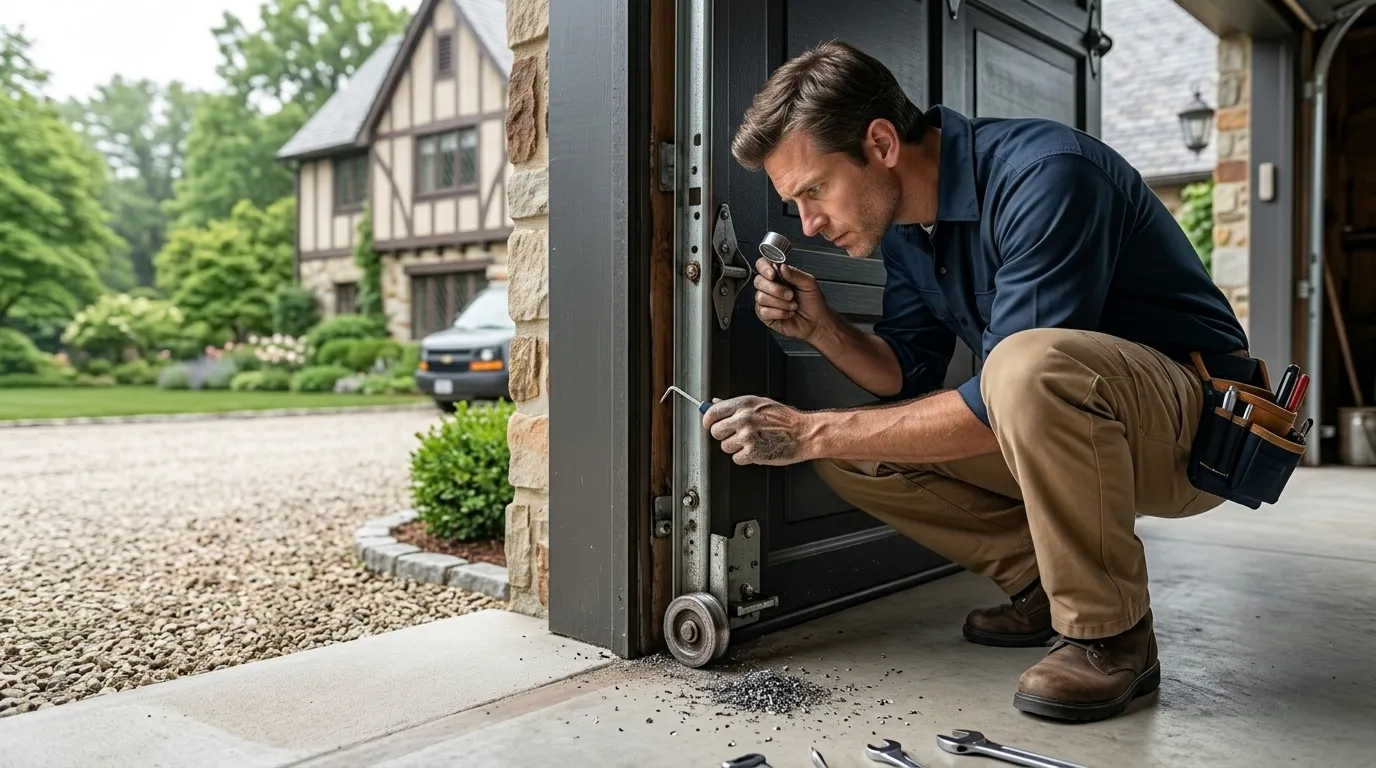
A service call starts with why the door stopped working, not with what part looks worn. On a torsion spring, we check wire gauge and coil count against the door weight, since doors from the 1960s-70s stock here are often heavier single-layer steel or wood, not the lighter insulated panels sold today - a spring sized for a modern door won't last on an older one. We check the rollers for flat spots and pitting, the cables for fraying at the drum, and the bottom bracket for the kind of rust that shows up on doors that have sat through a lot of Massachusetts winters.
On openers, we're looking at whether the unit predates today's safety-reversal standards, which is common on a house with 1960s bones and a retrofitted opener from decades later. None of this is guesswork dressed up as diagnosis - it's a walk through the parts that fail first on houses this age, in this climate, in that order.
How we work
The Cost of This Job
We're not going to quote a number here, because we don't have one that's honest for every door - and a flat price for something we haven't looked at isn't a real quote, it's a guess. What we can tell you is what drives the cost on a house like the ones common here: whether the spring is a standard size or an obsolete one off an original 1960s track system, whether the opener needs a bracket adaptation for low headroom, and whether the job is a repair or has crossed the line into replacement because the door itself - not just the hardware - has failed. One honest limitation: on the oldest doors in this stock, matching an original panel or track profile isn't always possible, and in that case repair stops being the cheaper option even when it sounds like it should be.
Questions
Common questions
Why did my spring break in the middle of winter?
Cold makes steel contract, which adds strain to a torsion spring that's already near the end of its cycle life. In Chicopee's cold climate band, we see more spring failures from December through February than any other stretch of the year, especially on doors original to houses built in the 1960s.
My house was built in the 1960s - is that a problem for a new opener?
Not usually a problem, but it does change the job. Garages framed in that era often have low headroom and stud spacing that doesn't match a modern bracket kit, so we check the framing before mounting anything rather than assuming it matches current standard dimensions.
Can you match the panel on my original door?
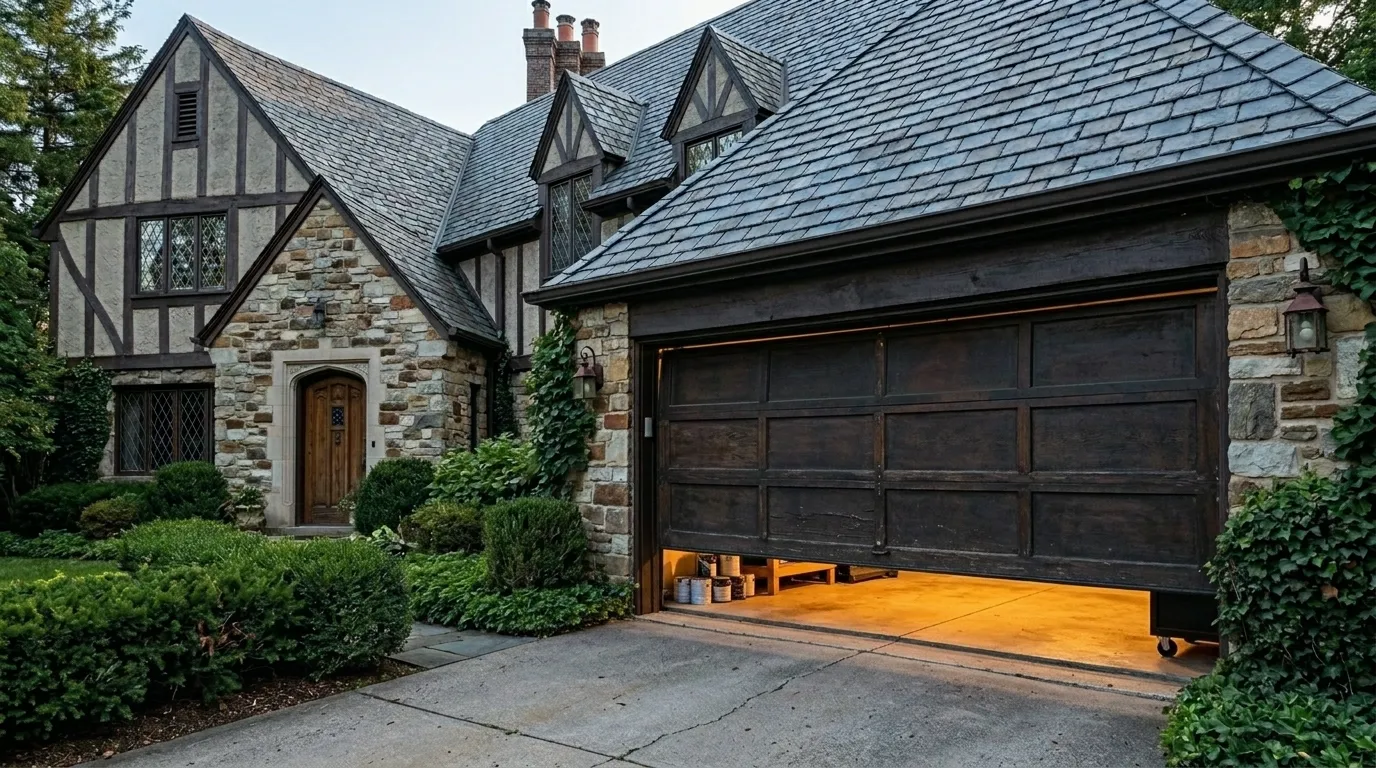
Sometimes, but not always. Doors from the 1960s-70s stock common in this area used panel profiles that aren't all still manufactured. If we can't match it, we'll say so before we start rather than after, and we'll walk you through repair versus replacement at that point.
Ready when you are
Need a garage door sorted in Chicopee?
Chicopee Garage Door Pros repairs and installs garage doors, springs and openers in Chicopee, MA and the surrounding area.